
Boost Office Productivity with Minimalism Optimize Space Efficiently
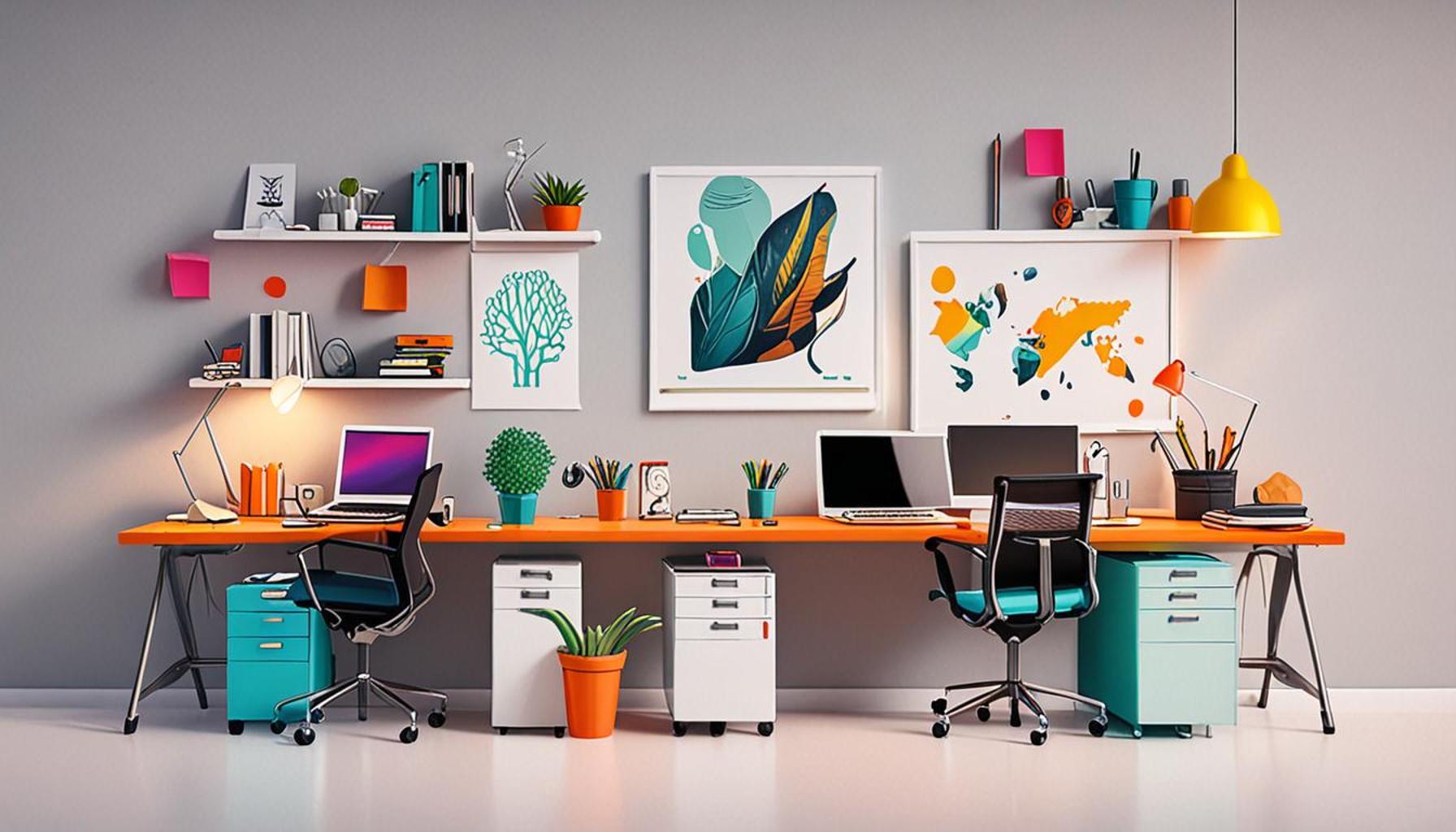
Understanding the Connection Between Minimalism and Productivity
As the modern workplace evolves, the emphasis on productivity continues to grow. One of the most impactful approaches to enhancing efficiency is minimalism, a philosophy that advocates for simplicity and intentionality. By decluttering and optimizing office spaces, employees can improve focus and creativity.
Why Minimalism Matters in Today’s Work Environment
Minimalism isn’t just about aesthetics; it profoundly influences personal organization and productivity. Research shows that a tidy workspace can lead to:
- Reduced stress levels – A clean space provides a sense of calm.
- Enhanced focus – Fewer distractions allow for deeper concentration.
- Increased creativity – Simplifying the environment can spark innovative thinking.
As companies strive for better performance, the minimalist approach becomes increasingly relevant. In this article, we’ll explore the Top 5 ways to implement minimalism in your office to optimize space and boost productivity.
Top 5 Ways Minimalism Impacts Office Organization: Optimizing Spaces to Boost Productivity
In today’s fast-paced world, where distractions are abundant and productivity is paramount, minimalism has emerged as a transformative approach to office organization. The principle of minimalism revolves around stripping away the unnecessary to focus on what truly matters. This article explores the top five impacts of minimalism on office organization and how optimizing workspace can lead to enhanced productivity.
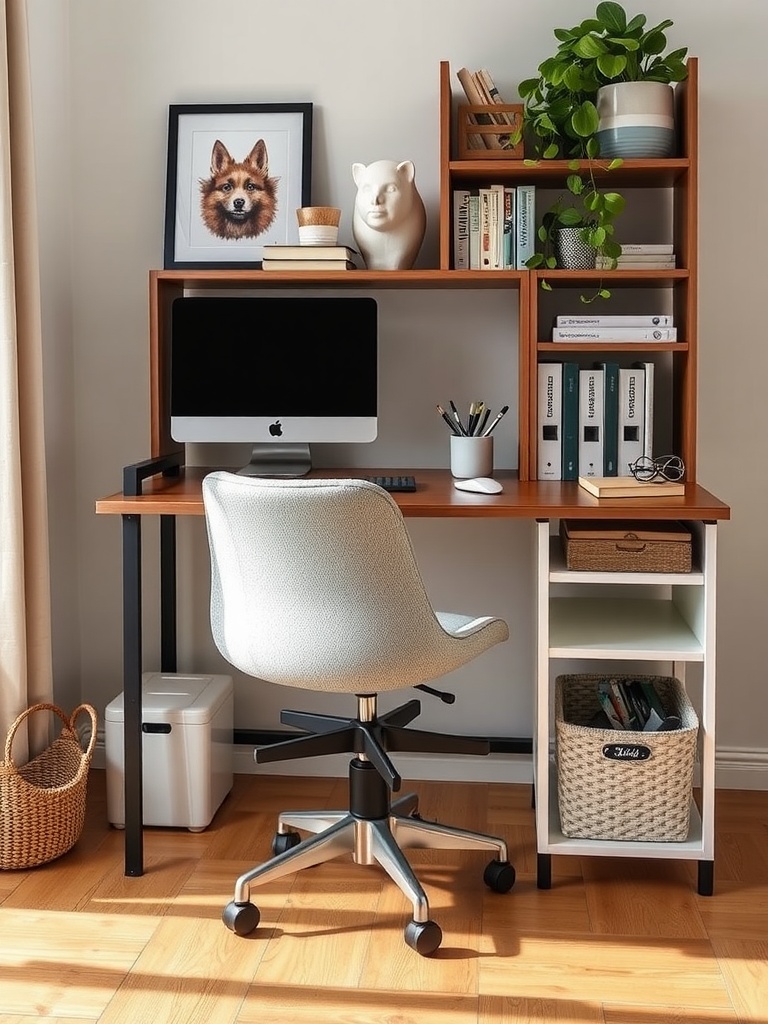
5. Reducing Clutter
One of the most significant impacts of minimalism in office spaces is the reduction of clutter. In an era where the constant influx of emails, notifications, and various work documents can easily overwhelm us, maintaining a clear workspace can seem nearly impossible. However, cluttered environments can cause distractions and stress, which significantly hinder performance. An overfilled desk or a crowded computer desktop can stifle creativity and make it difficult to find important materials, wasting valuable time.
Minimalism encourages individuals to perform a self-audit of their belongings, allowing them to keep only those items that serve a purpose or bring joy. This might involve:
- Assessing what items you use daily and which are essential for your work.
- Donating or discarding items that are rarely used or do not contribute to your productivity.
- Implementing regular decluttering sessions, perhaps at the end of each week, to maintain a tidy workspace.
Consider Marie Kondo’s decluttering philosophy, which emphasizes keeping items that “spark joy.” While subjective, this concept aligns with maintaining a workspace that not only promotes efficiency but also brings personal satisfaction. By maintaining a clean and organized workspace, employees can concentrate better and retrieve necessary materials quickly, leading to naturally increased productivity. Repeated studies have shown that a decluttered environment can enhance focus and reduce stress levels, making it a critical component of any productive office.
4. Encouraging Efficient Storage Solutions
Minimalism promotes efficient storage solutions that can be game-changers when it comes to office organization. Instead of having multiple items dispersed across surfaces, minimalism advocates for designated storage spaces. This strategy involves a thoughtful approach to selecting furniture and how items are organized within those spaces.
Incorporating these storage solutions has multiple benefits:
- Creating specific locations for every item, ensuring that everything has a designated “home.”
- Choosing multi-functional furniture to maximize space, such as desks with drawers or shelves and cabinets with sleek, minimalistic designs that blend into the office decor.
- Maintaining a clean and orderly appearance, which contributes to an aesthetically pleasing and functional work environment.
Innovative storage solutions often include using vertical spaces for shelving or adopting modular furniture that can be adapted to changing needs. By efficiently utilizing space with smart storage solutions, employees can foster an environment that feels more organized and less chaotic, supporting a productive workflow. A well-organized system not only saves physical space but also frees mental space, crucial for fostering creativity and problem-solving.
3. Enhancing Focus Through Design Choices
Minimalism significantly impacts design choices and can create serene environments that promote focus. Offices designed with minimalistic principles often emphasize the use of neutral colors, ample natural light, and open spaces, all of which help create a calming atmosphere conducive to concentration.
Consider these design elements to enhance focus in the office:
- Incorporating natural elements, such as plants, which have been shown to improve air quality and enhance mood.
- Using color palettes that promote calmness, such as soft blues and greens, known for their soothing qualities.
- Designing workspaces that prioritize natural lighting, as exposure to daylight helps regulate the body’s circadian rhythms, improving energy levels and well-being.
Open, minimally styled offices can eliminate visual distractions and allow employees to direct their energy into their work. When employees feel at ease and focused, they can engage more deeply with their tasks, which naturally leads to a boost in overall productivity. By reducing clutter and unnecessary visual distractions, minimalism allows the mind to focus on the task at hand.
2. Promoting Mindfulness and Intentional Work
Minimalism encourages a mindset of mindfulness and intention in the workplace. By concentrating on essential tasks and minimizing distractions, employees are more likely to engage deeply with their work. This shift fosters a culture where quality trumps quantity, allowing employees to devote their energy and time to the most impactful tasks.
The benefits of this mindful approach are numerous:
- Increased job satisfaction as employees focus on what matters most, often leading to a more fulfilling work experience.
- Reduced burnout by discouraging a frantic multi-tasking environment, which research shows can decrease efficiency and lead to errors.
- Encouraged creativity as employees have the mental space to think innovatively without being bogged down by excessive workload.
Mindfulness in the workplace creates an environment of collaboration and consideration, where each task receives the focus it deserves. When employees practice mindfulness, they cultivate an atmosphere that values individual contributions and promotes a harmonious workplace, where stress is minimized and shared goals take center stage.
1. Boosting Overall Productivity
Ultimately, the culmination of all these elements leads to the greatest impact of minimalism on office organization—a significant boost in overall productivity. By reducing clutter, utilizing efficient storage, enhancing focus through design, and fostering mindfulness, minimalism creates an environment where employees can truly thrive.
Research supports the idea that organized workspaces contribute to:
- Higher efficiency in task completion, as employees spend less time locating resources and more time focusing on their work.
- Decreased stress levels among employees, which directly impacts health and job satisfaction, leading to reduced absenteeism.
- Enhanced creativity and problem-solving skills, as a decluttered and harmonious environment encourages innovative thinking.
When employees operate in a productive, supportive environment, not only do they achieve their goals more effectively, but they also contribute positively to company culture, driving greater organizational success. Businesses that embrace minimalism can find themselves better positioned to adapt to changes, seize opportunities, and empower their workforce.
In conclusion, the impact of minimalism on office organization cannot be overstated. By embracing minimalistic principles, businesses and employees alike can create spaces that boost productivity, nurture clarity, and enhance job satisfaction. The journey towards minimalism may begin with small steps, but its transformative power can redefine how workspaces function, leading to lasting benefits for both individuals and organizations.
| Category | Description |
|---|---|
| Space Efficiency | Emphasizing a minimalist layout allows for the better use of physical spaces, maximizing the area available while maintaining comfort and functionality. |
| Reduced Distractions | A minimalist approach significantly minimizes visual clutter, which aids in enhancing focus and minimizing distractions, ultimately leading to improved work output. |
| Enhanced Aesthetics | Utilizing a minimalist design creates a serene work environment that can positively impact mood and motivation, making spaces feel more inviting. |
| Flexibility and Adaptability | Minimalism promotes flexible workspace solutions, allowing for easy reconfiguration as per the changing needs of teams and projects, thus optimizing productivity. |
By implementing a minimalistic approach in office space design, companies are not only structuring their environments more efficiently, but they are also enhancing overall productivity through various advantages. The significance of space efficiency cannot be overstated; a well-organized workspace eliminates the chaos often associated with cumbersome office layouts. This shift towards clarity and purpose in arrangement resonates with the ideals of minimalism, enabling employees to navigate their vicinity without the overwhelming burden of excess.In addition, reducing distractions through the methodical use of colors and decor aligns perfectly with the core principles of minimalism. A clean visual environment encourages concentration, allowing for deeper engagement with tasks while simultaneously fostering creativity. Studies have demonstrated that an office devoid of superfluous decor can boost employee satisfaction, contributing positively to a corporate culture focused on productivity.Moreover, the aesthetic appeal of a minimalist workspace plays a crucial role in employee morale. A thoughtfully designed office space, characterized by simplicity, not only elevates the visual experience but also promotes a positive emotional response among staff. This engagement further encourages productivity, leading to heightened levels of goal-oriented work among team members.Finally, the inherent flexibility of minimalistic office setups makes them ideal for modern workplaces. With businesses shifting towards dynamic and agile working environments, the minimalist ethos accommodates swiftly changing needs, ensuring that spaces remain conducive to effective collaboration and innovation. As organizations harness the power of minimalism, they pave the way for a progressive future while optimizing their real estate investments for maximum productivity. Each element of this approach invites exploration and adaptation, laying the groundwork for ongoing success in a rapidly evolving corporate landscape.
Frequently Asked Questions about the Impact of Minimalism in Office Organization
What is the core principle of minimalism in office organization?
The core principle of minimalism in office organization is to optimize the use of space by eliminating unnecessary items and focusing on function and form. This approach seeks to create an environment that enhances concentration and efficiency by utilizing simple and uncluttered designs. Offices adopting minimalism strive for an aesthetic that promotes calm and tranquility, which in turn can lead to increased productivity and reduced stress levels.
How can minimalism affect productivity in the workplace?
Minimalism can have a significant impact on workplace productivity by creating an environment that supports focus and creativity. By reducing clutter, employees can concentrate better without the distractions that a messy environment might present. When visual noise is minimized, it can lead to improved mental clarity and task completion. Research suggests that organized and aesthetically pleasing workspaces can enhance performance and overall job satisfaction.
Is there a financial benefit to adopting minimalism in an office setting?
Yes, there are potential financial benefits to embracing minimalism in an office setting. By focusing on the essentials and eliminating unnecessary equipment and furniture, companies can save on costs associated with purchasing, maintaining, and replacing items. In addition, the efficiency gains from a well-organized space can translate into financial savings. Reducing energy consumption is another benefit, as minimalist environments often make better use of natural light, reducing dependency on artificial lighting.
How can a company transition to a minimalist office without disrupting productivity?
The transition to a minimalist office should be carefully planned to avoid disrupting productivity. Start by assessing which items are essential and which are not. Implement gradual changes and involve employees in the process to ensure their needs are met. This transition might include redesigning layouts, establishing clear storage solutions, and digitizing documents to save space. Communication and employee buy-in are crucial to ensure a smooth transition and positive outcome.
Are there any technological tools that support minimalist office environments?
Several technological tools can assist in supporting a minimalist office environment by reducing the need for physical storage and promoting efficient work habits. Cloud storage solutions, digital note-taking apps, and project management software help decrease reliance on paper and physical files. Furthermore, automation tools can streamline tasks, allowing employees to focus on more complex projects, thus maintaining productivity in a minimalist setting.
Conclusion: The Power of Minimalism in Office Organization
In an era defined by overwhelming distractions and clutter, the principles of minimalism offer a refreshing approach to office organization that can unleash untapped potential in productivity and well-being. By embracing minimalism, individuals and businesses can create workspaces that are not only aesthetically pleasing but also functionally efficient. The minimalist philosophy encourages removing excess to make room for what truly matters, and its application in office settings is no exception.
The article highlighted the key strategies for optimizing office spaces through minimalism, including the reduction of physical clutter, intelligent use of storage solutions, and the prioritization of essential tools and furniture. These strategies not only enhance focus but also contribute to a healthier work environment by reducing stress and distraction. Moreover, embracing technology and digital solutions was pointed out as crucial in maintaining a minimalist workspace, allowing for a streamlined approach to information and task management.
Minimalism’s impact extends beyond aesthetics and organization; it significantly influences productivity and creativity. By cultivating an environment that fosters clarity and efficiency, employees feel more motivated and empowered to achieve their best work. As organizations strive to adapt to the ever-evolving demands of modern workspaces, adopting a minimalist approach offers a strategic advantage.
Ultimately, minimalism in office organization is not just a trend but a transformative practice that aligns with broader cultural shifts towards sustainability and intentional living. It invites us to reconsider what is necessary and valuable, prompting a deeper reflection on our habits and choices. As more offices begin to embrace this approach, we can anticipate not only increased productivity but also a more satisfied and engaged workforce.