
Creating Functional Spaces Practical Tips for Simplified Home Organization
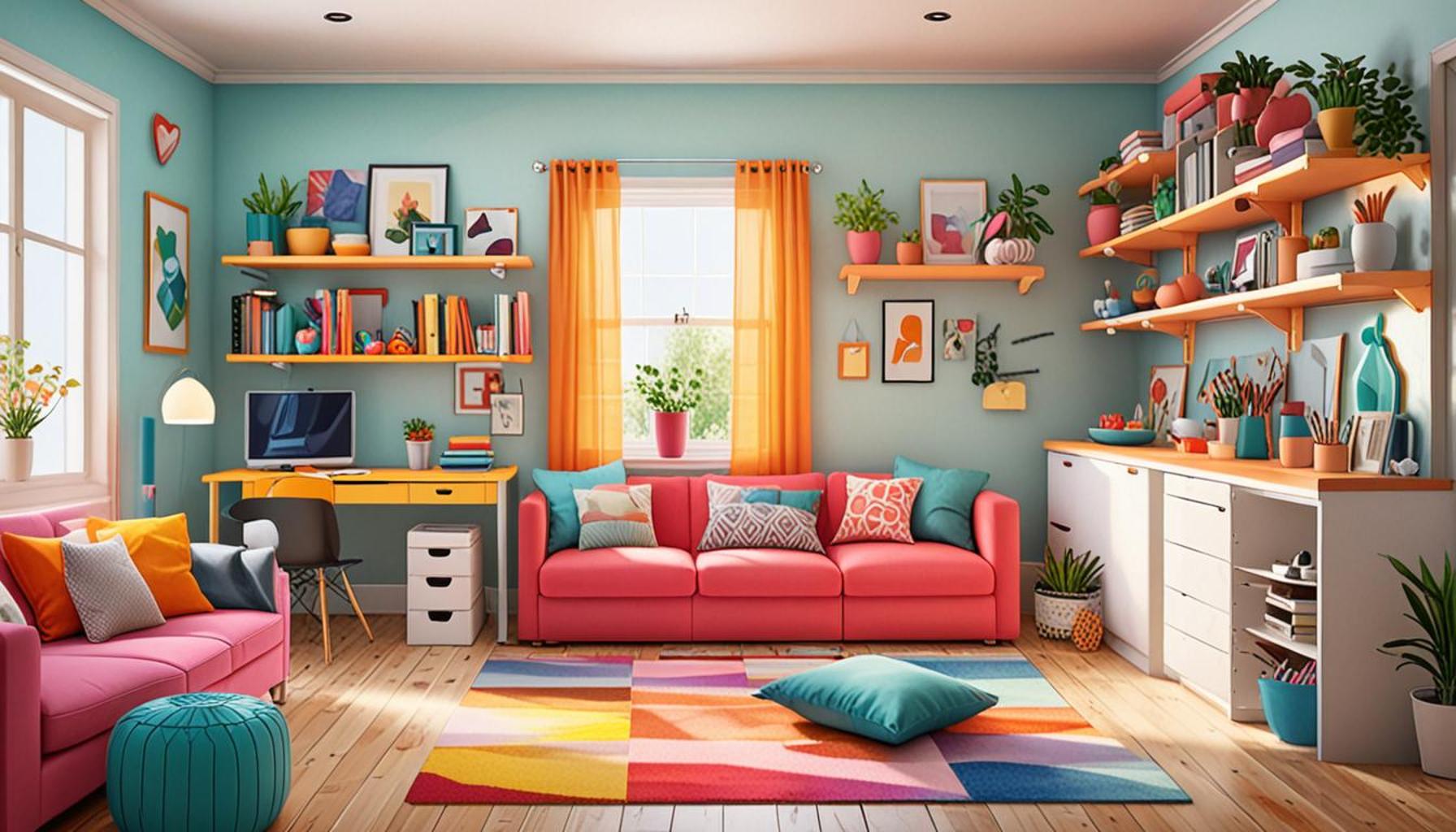
In today’s fast-paced world, the quest for a serene living environment is more relevant than ever. The principles of Minimalism advocate for simplicity and functionality, urging us to strip away the unnecessary clutter that weighs us down. By implementing practical organization strategies, we can transform our homes into havens of peace, efficiency, and aesthetic appeal.
Creating functional spaces not only enhances our daily routines but also promotes mental clarity. Consider these key elements:
- Declutter regularly: Remove items that no longer serve a purpose.
- Maximize storage solutions: Utilize vertical space and multifunctional furniture.
- Establish designated areas: Assign specific spots for essential items to streamline access.
In the following sections, we will delve into the Top 5 practical tips for achieving a simplified organization in your home. Prepare to discover innovative ideas that can transform your space into a functional masterpiece.
Creating Functional Spaces: Practical Tips for Simplified Home Organization
In today’s fast-paced world, creating functional spaces within our homes has become more essential than ever. With the rise of remote work and increasing demands on home spaces, homeowners are increasingly leaning towards minimalism and organization as necessities rather than mere trends. Having a well-designed living environment can contribute significantly to peace of mind, enhancing overall productivity and quality of life. Below, we delve into the top five practical tips for achieving organized and functional spaces in your home, ranked from fifth to first. These insights offer a pathway to transform your living spaces into harmonious environments.
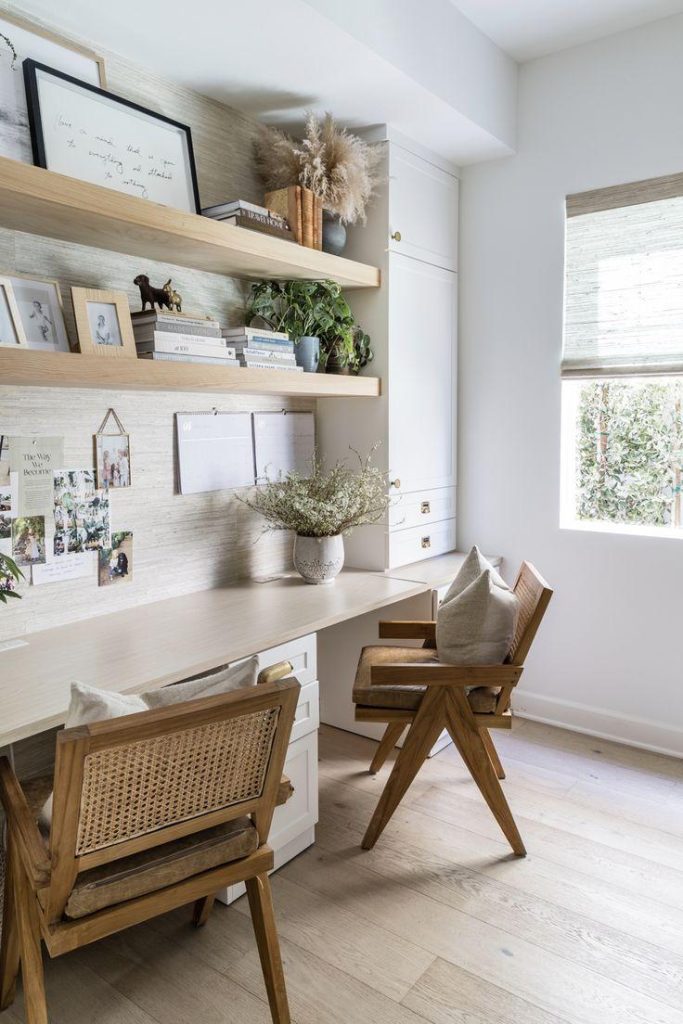
5. Prioritize Multi-Functional Furniture
One of the most effective strategies for organizing your home is investing in multi-functional furniture. This concept is particularly appealing because it not only conserves precious space but also adds a layer of versatility to your living areas. Consider items that serve more than one purpose, such as:
- Sofa beds that seamlessly integrate sleeping arrangements for guests without sacrificing the comfort or aesthetic of your common areas. These are lifesavers in homes that lack a dedicated guest room.
- Storage ottomans that double as seating while providing a concealed compartment for storing items such as blankets, magazines, or children’s toys, helping to keep your living areas tidy.
- Foldable dining tables that can be collapsed to maximize space when not in use. Such tables allow for flexibility in hosting social gatherings or family dinners without permanent space commitment.
By choosing multi-functional furniture, you create a dynamic living environment that adapts to your needs, making it especially beneficial for smaller homes or apartments. This approach facilitates a flexible yet stylish ambiance while reducing clutter.
4. Embrace Minimalistic Design Principles
Minimalism is not merely a trend; it’s a lifestyle choice that underscores simplicity and functionality, playing a vital role in enhancing a home’s organization. By embracing minimalistic design principles, one can create a space that is both serene and structured. Key elements include:
- Neutral color palettes that foster a calming atmosphere and make spaces feel larger and more cohesive. Shades like white, beige, and soft pastels can transform a cluttered room into a peaceful haven.
- Simple lines in furniture and decor that promote a clean, unencumbered flow throughout the space. This aspect ensures that every piece serves a purpose and aligns with an overarching aesthetic simplicity.
- Natural lighting which harnesses sunlight to brighten your home, creating an open and airy feel. Strategic placement of windows and the use of sheer curtains can enhance natural illumination and reduce dependency on artificial lighting.
Implementing these principles not only results in an organized appearance but also enhances a sense of peace and clarity, allowing those who live within the space to think and operate more efficiently.
3. Implement a Decluttering Routine
Decluttering is a critical component in realizing a simplified and organized home. By establishing a consistent decluttering routine, homeowners can effectively manage the accumulation of items and maintain order. Effective decluttering strategies include:
- The 30-Day Declutter Challenge: A methodical approach that begins with eliminating one item on the first day, incrementing by one each subsequent day, thus developing a gradual yet impactful routine of simplifying spaces.
- Seasonal Purging: At the end of each season, a review of personal belongings can reveal items that have not been used or are no longer needed, making it easier to part with them.
- One In, One Out Rule: This guideline encourages mindful consumption. By requiring that every new item brought into the home necessitates the removal of an existing one, clutter is kept under control.
By adopting a decluttering routine, you cultivate a habit of mindful consumption, which ultimately leads to a significantly more organized home. This practice can also engender a sense of relief and satisfaction as spaces breathe more freely.
2. Designate Specific Zones for Activities
Enhancing functionality within a home greatly benefits from the creation of clearly designated areas, or zones, for specific activities. This zoning technique encourages efficient and focused use of space. Consider the following examples:
- Work zone: Allocating a dedicated area for work or study, equipped with a desk, comfortable chair, and necessary office supplies, minimizes distractions and promotes productivity.
- Relaxation zone: A cozy space intended for unwinding, perhaps with soft seating and minimal electronics, to foster a tranquil environment for relaxation.
- Cultural zone: A welcoming area for hobbies or creative activities, with easy access to materials and designed to inspire and nurture creativity.
Each zone should be outfitted with appropriate shelving systems, storage solutions, and decor that complement the intended activity. This tailored approach not only enhances productivity but also systematically improves the overall organization and feel of your home.
1. Cultivating Mindful Organizational Habits
At the pinnacle of our list is the cultivation of mindful organizational habits, a practice that transcends physical arrangement to embody a conscious mindset about space interaction. Developing these habits can be achieved through:
- Routine Maintenance: Dedicate a few minutes each day to tidying up, which efficiently prevents clutter accumulation and can contribute to a calm, orderly environment.
- Mindful Purchasing: By carefully considering the necessity and potential use of new items before acquisition, one limits unnecessary clutter and promotes sustainability within the home.
- Regular Assessments: Periodic evaluations of belongings and processes allow for adaptation based on evolving needs, ensuring that spaces remain organized and optimally functional.
Embracing these mindful habits results in a serene and efficient living environment that enhances personal well-being. The goal is to foster spaces that not only accommodate present lifestyle demands but also remain adaptable to future changes.
In conclusion, by prioritizing multi-functional furniture, embracing minimalism, implementing decluttering routines, designating activity zones, and practicing mindful organizational habits, you can create a home environment that is both functional and peaceful. Each strategy contributes to reduced stress and increased productivity, ensuring that your home is a sanctuary amidst a bustling world.
Creating functional spaces within your home not only enhances the aesthetic appeal but significantly improves efficiency and daily living. Below is a comprehensive table highlighting key categories and their advantages tailored to “Criando Espaços Funcionais: Dicas Práticas para uma Organização Simplificada em Casa”.
| Category | Key Features |
|---|---|
| Maximizing Space | Utilizing vertical storage solutions like shelves and wall-mounted racks can free up floor space while providing sufficient storage. |
| Zoning Areas | Creating distinct zones in open layouts allows for more focused work and relaxation spaces, enhancing functionality. |
| Decluttering Tips | Embracing a minimalistic approach by regularly assessing items for value and necessity helps in reducing clutter significantly. |
| Multi-functional Furniture | Investing in furniture that serves multiple purposes, like sofa beds or coffee tables with storage, can maximize usage in smaller areas. |
Each of these categories presents unique advantages that can improve your home environment. For instance, maximizing space through vertical storage not only addresses the need for organization but also creates a clean and open atmosphere. On the other hand, zoning areas can significantly impact productivity, particularly for those working or studying from home, as it minimizes distractions.Implementing decluttering habits is equally essential. By routinely prioritizing functionality over excess, homes become more navigable and pleasant environments. Furthermore, multi-functional furniture stands out as a brilliant solution for those with limited space, proving that you do not need to sacrifice style or comfort for practicality.This approach to creating functional spaces is not only about aesthetics; it empowers individuals to lead simpler, more organized lives. It encourages them to rethink conventional living arrangements and adopt solutions that align better with modern lifestyles.
Frequently Asked Questions about Creating Functional Spaces at Home
What are the key benefits of having a well-organized home?
Organizing your home can have multiple benefits beyond just visual appeal. A well-organized space can improve your mental clarity and focus by reducing clutter and distractions. It also enhances efficiency in daily tasks, saves time, and can even reduce stress and anxiety levels. Many find that organizing their living spaces leads to a more harmonious and peaceful lifestyle.
How can I start organizing my home effectively?
Starting with home organization might feel overwhelming, but breaking it down into manageable steps can be highly effective. Begin by identifying areas that need immediate attention. It’s recommended to go room by room, focusing first on spaces that have the most impact on your daily life, like the kitchen or bedroom. Incorporating necessary storage solutions, decluttering unnecessary items, and creating a routine maintenance plan are essential steps to keep your living space in functional order.
What are some common mistakes to avoid when organizing home spaces?
One frequent mistake is tackling too much at once; this can lead to burnout and reduced effectiveness. Avoiding the personalization of organization systems is another pitfall—what works well for someone else might not work for you. It is also important to refrain from ignoring maintenance; regular follow-ups and revisions of the organization strategy are key components, along with ensuring that storage solutions are sustainable and adaptable to your lifestyle changes.
How can technology assist in home organization?
Technology can be an ally in your organization journey. From apps designed to create task lists and reminders to tools that help in space planning and inventory tracking, there are many digital solutions available. Smart home devices can automate and streamline daily tasks, making organization a part of your regular routine. Exploring these tools may lead to discovering significant efficiencies and improvements in how space management is approached.
Conclusion
In a world overflowing with distractions and added complexities, creating and maintaining functional spaces at home stands as a beacon of practicality and peace. This article delved into the heart of Minimalism and personal organization, offering key insights into building environments that cater to both form and function. Keeping the essence of simplicity and utility, five primary takeaways were explored to guide you in revamping your personal spaces.
From prioritizing decluttering and purging unnecessary items to ensure a cleaner canvas, to understanding the importance of designating specific zones for different activities, each step is pivotal. It’s not just about aesthetic appeal—although that is a delightful consequence—but about crafting areas that foster productivity and relaxation. Employing multi-functional furniture and creatively using vertical spaces can significantly enhance usability, proving that clever use of space is just as critical as the space itself.
A vital element highlighted was the psychological boost derived from streamlined environments. Keeping your home organized induces a sense of control and reduces stress, aligning well with Minimalism’s tenets, which advocate for intentional living. Personalization was also key, underscoring that while guidelines serve as excellent starting points, customization ensures that your space truly reflects your lifestyle and values.
In this challenging era, where every square inch matters, embracing these principles and tips not only helps in refining one’s abode but also empowers one to live more mindfully. As Minimalism continues to guide many towards a balanced existence, pursuing organization with purpose forms a crucial part of this journey. The future undoubtedly belongs to those who masterfully merge functionality with simplicity, creating sanctuaries of order and tranquility in their homes.