Functional Organization: How Space Optimization Contributes to a Minimalist Lifestyle
Discovering Functional Organization
In a world that often feels cluttered and chaotic, the quest for a minimalist lifestyle has gained traction. People are increasingly seeking ways to simplify their surroundings and enhance their well-being. One effective approach to achieve this is through functional organization.
Space optimization not only reduces clutter but also promotes efficiency and tranquility. To understand its significance, consider the following aspects:
- Decluttering: Removing unnecessary items frees up valuable space. For instance, the Marie Kondo method encourages individuals to keep only those items that “spark joy.” This emotional connection to our belongings can make it easier to let go of items that no longer serve us, ultimately leading to a more serene living space.
- Intentional Design: Organizing furniture and belongings fosters a sense of harmony. When each item in your space has a designated place, it becomes easier to maintain order. For example, arranging living room furniture to facilitate conversation and movement can create a welcoming atmosphere, making the space feel larger and more inviting.
- Multi-Functional Spaces: Utilizing every inch of space allows for versatility and practicality. In smaller homes or apartments, multifunctional furniture such as a sofa bed or a coffee table with storage compartments can maximize usability without sacrificing style. This approach is particularly beneficial in urban environments, where space is often at a premium.
Minimalism is not just an aesthetic choice; it is a lifestyle that encourages mindfulness. By embracing functional organization, individuals can transform their homes into sanctuaries of calm and clarity. This shift towards a more intentional living space can also enhance mental well-being, as studies have shown that a neat, organized environment can reduce stress and anxiety levels.
Understanding how to effectively implement these principles can pave the way for a more fulfilling life. Some practical tips include developing a routine for regular decluttering sessions, choosing quality over quantity when purchasing new items, and creating zones in your home for specific activities, such as work or relaxation. This article delves deeper into the relationship between functional organization and the minimalist lifestyle, uncovering practical tips and inspiring examples to guide your journey.
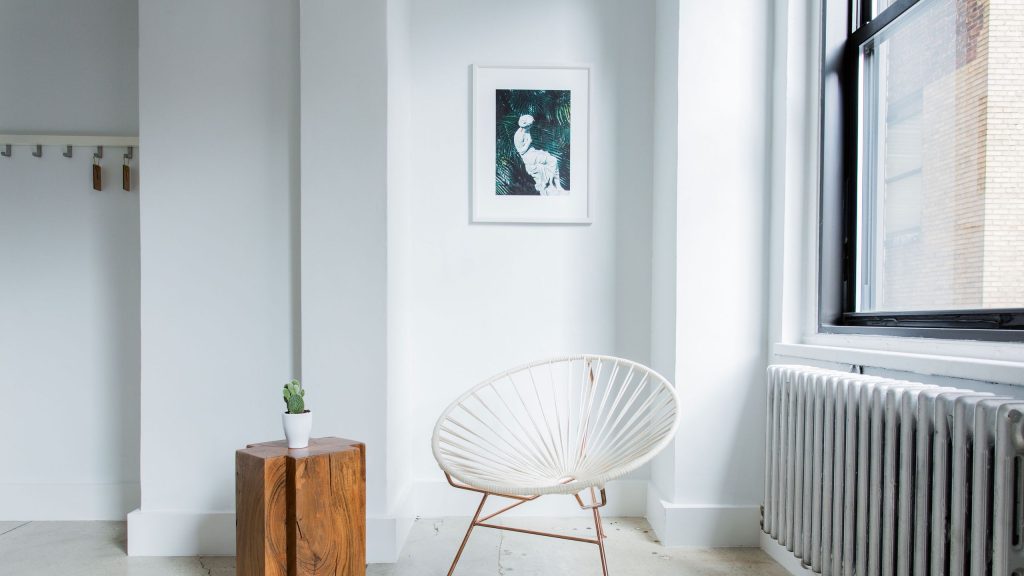
For anyone looking to embrace a minimalist lifestyle in the United States, consider visiting local workshops or online seminars dedicated to organization and minimalism. These resources provide valuable insights and community support, making the transition to a more organized life both achievable and enjoyable. Whether you are starting from scratch or just looking to refine your existing space, the journey into functional organization can lead to a significant improvement in both your environment and overall quality of life.
DISCOVER MORE: Click here for practical tips
Embracing Minimalism Through Functional Organization
As the appeal of minimalism continues to rise, one of the core tenets that sustains this lifestyle is functional organization. This approach not only aids in creating a pleasant visual aesthetic but also fosters a deeper sense of purpose and functionality within our spaces. Understanding how space optimization works can significantly impact the quality of everyday life, especially in the context of modern American homes that are often brimming with possessions but low on functional space.
At the heart of functional organization lies the principle of efficiency. By strategically arranging our belongings, we not only facilitate easier access but also enhance the flow of daily activities. Here are several key elements to consider when implementing functional organization in your home:
- Zoning: Define specific areas within your home for particular activities such as work, relaxation, and cooking. This approach encourages a balanced lifestyle by providing dedicated spaces that minimize the distractions typically associated with multi-tasking. For instance, setting up a cozy reading nook loaded with books and comfortable seating can aid in relaxation and focus, reducing clutter that may arise from attempting to work and unwind in the same area.
- Vertical Storage: In urban settings, where square footage can be limited, utilizing vertical space is paramount. Tall shelving units, wall-mounted storage systems, and even pegboards can transform underutilized areas into functional spots for storing books, decorative items, or even kitchen essentials. This vertical approach not only saves valuable floor space but also draws the eye upwards, creating a sense of openness in a room.
- Smart Segmentation: Divide larger spaces into smaller, manageable segments using furniture or decorative dividers. For example, a large living room can be split into a conversation area, a workspace, and a play area for children, each with its organization method. This segmentation helps maintain order and makes it easier to find and store items, which promotes a more tranquil living environment.
Moreover, functional organization encourages individuals to rethink their purchasing habits. The minimalist lifestyle champions the idea of quality over quantity, urging consumers to select items that serve multiple purposes. For instance, a stylish storage ottoman can function both as seating and a hidden storage solution. Incorporating such versatile pieces can significantly reduce clutter without compromising aesthetics or comfort.
The journey toward a minimalist lifestyle through functional organization is not merely a one-time event; it is an ongoing process. As you continue to optimize your space, regularly revisiting and reevaluating your belongings will reinforce a sense of clarity and purpose. Engaging in mindfulness practices, such as reflecting on the meaning each item holds in your life, can deepen your commitment to this way of living.
Ultimately, embracing functional organization is about more than just achieving an attractive home; it’s about cultivating an environment that mirrors and supports your values, leading to a more fulfilling lifestyle. This transition may be challenging at first, but as individuals learn to let go of excess and find joy in simplicity, the rewards of a serene and efficient space become increasingly evident.
| Advantages of Space Optimization | Benefits to Minimalist Lifestyle |
|---|---|
| Enhanced Aesthetic Appeal | A well-organized space fosters a sense of tranquility and beauty, reducing visual clutter. |
| Increased Functionality | Optimized spaces allow for better utility of each area, making daily activities smoother and more efficient. |
| Stress Reduction | A minimalist approach to space can lead to lower stress levels by eliminating chaos in the home environment. |
| Improved Productivity | Less distraction from clutter means you can focus better on tasks at hand, boosting overall productivity. |
In today’s fast-paced world, the principle of functional organization plays a pivotal role in cultivating a minimalist lifestyle. By prioritizing space optimization, individuals can create environments that not only appeal aesthetically but serve practical functions. Consider the concept of enhanced aesthetic appeal; when every item has its place, a sense of peace emerges, making living spaces more inviting.Moreover, the simplicity of an organized space goes hand in hand with increased functionality. Each footprint of your home can serve multiple purposes, transforming unnecessary boxes and shelves into areas tailored to your everyday life. This leads directly into how such optimization can produce stress reduction; fewer visual distractions translate into reduced anxiety levels. As productivity peaks in such streamlined settings, embracing the minimalist life becomes an achievable goal for many. Discovering how space optimization contributes holistically to well-being is a journey worth exploring.
DISCOVER MORE: Click here for efficient personal organization tips
Maximizing Utility with Functional Organization
Functional organization is not just a trend; it’s an essential component that can reshape our relationship with our living spaces. The true essence of space optimization goes beyond mere arrangement; it involves a complete strategic overhaul of how we utilize every inch of our homes. As individuals tackle their belongings, they often discover remnants of their past decisions that no longer align with their current values. Herein lies the opportunity for transformation—redefining what it means to maintain a home in a way that resonates with a minimalist lifestyle.
One of the pivotal aspects of maximizing utility through functional organization is the concept of multi-use spaces. In today’s homes, where flexibility is key, spaces that can serve multiple functions cater beautifully to the minimalist ethos. For example, a guest bedroom can double as a home office with the smart integration of a foldable desk and a Murphy bed. This adaptability not only enhances the utilization of space but also keeps rooms clutter-free, promoting a streamlined aesthetic that invites tranquility.
Equally important is understanding the role of decluttering within the realm of functional organization. The minimalist lifestyle encourages individuals to evaluate their possessions critically. Consider conducting a bi-annual review of items within your home. This practice not only reinforces the principle of ‘less is more’ but also allows for tangible benefits such as reduced stress and enhanced productivity. Studies have shown that a visually cluttered environment can lead to increased anxiety levels, thereby affecting overall mental well-being. By routinely assessing your belongings and letting go of items that no longer serve a purpose, you pave the way for a more peaceful and organized home.
Moreover, adopting a one-in, one-out policy can help maintain the balance achieved through functional organization. For every new item you bring into your home, an existing item should be let go of. This strategy not only minimizes clutter but also encourages conscious decision-making during purchases. For instance, when selecting a new decorative piece for your living room, consider if it complements your existing décor and adds value to the space. This way, consumers are encouraged to make intentional choices, reinforcing the minimalist mindset.
Another pivotal area where functional organization can significantly impact space optimization is in the realm of technology integration. Smart home devices offer a way to streamline daily activities, reducing the need for multiple gadgets and, consequently, clutter. For example, a smart speaker can manage your music, control lighting, and even assist with reminders, consolidating numerous functions into one device. As technology continues to evolve, utilizing these advancements will further enhance the functionality of your living space and align with minimalist ideals.
The art of functional organization also extends to outdoor spaces, often overlooked yet equally relevant in a minimalist approach. Gardens, balconies, and patios can be transformed into serene retreats by applying similar organizational principles. Vertical gardens, for example, not only bring greenery into small spaces but also serve as a functional way to maximize outdoor visibility and aesthetics without consuming ground space. This innovation further supports the minimalist ideology, allowing individuals to immerse themselves in nature while keeping external spaces orderly.
Overall, the embrace of functional organization propels the minimalist lifestyle forward, introducing an array of strategies to optimize and enhance how we interact with our environments. By prioritizing utility and mindfulness over mere aesthetics, individuals can craft homes that are both visually pleasing and emotionally supportive, leading to lasting change in their daily lives.
DISCOVER MORE: Click here to learn how to declutter your home effectively
Rethinking Space for a Minimalist Future
In conclusion, functional organization emerges as a crucial ally in the pursuit of a minimalist lifestyle, allowing individuals to cultivate spaces that promote both mental well-being and practical use. By fundamentally reevaluating how we arrange and interact with our environments, we can unlock the full potential of space optimization. Embracing concepts such as multi-use spaces and technological integrations not only enhances the utility of our homes but also fosters an atmosphere of serenity and order.
The practice of decluttering serves as a catalyst for transformative change, nudging us toward mindfulness and intentionality in our consumption patterns. Every item we choose to keep should harmonize with our values and lifestyle, creating a resilient foundation for personal growth and fulfillment. The one-in, one-out policy reinforces this mindset, turning choice into a powerful tool that shapes our surroundings.
Moreover, as we extend the principles of functional organization to our outdoor spaces, we add another layer of tranquility to our lives, demonstrating that minimalism can flourish in every nook and cranny. As the minimalist movement continues to gather momentum across the United States, understanding and implementing strategies of functional organization can lead to not just aesthetically pleasing environments, but homes that nurture our mental and emotional landscapes.
To truly transform our living spaces requires dedication and creativity, but the rewards are immense. As we embrace functional organization, we invite a lifestyle where space optimization and minimalism coalesce, leading to homes that are not just places to live, but sanctuaries that reflect our most authentic selves.