Mindful Consumption and Stress Reduction: Creating Calmer and More Organized Living Spaces
Understanding Mindful Consumption
In the age of endless advertisements and a culture that often champions material wealth, consumers are increasingly confronted with choices that can lead to stress and an overwhelming sense of clutter in their lives. Mindful consumption emerges as a thoughtful approach that encourages individuals to pause, reflect, and make intentional choices about what they purchase and how they live.
When considering intentional purchasing, think about what drives your buying habits. Are you influenced by fleeting trends or emotional appeals? To engage in mindful consumption, you should take the time to reflect on whether a product aligns with your personal values and fulfills a genuine need. For instance, purchasing high-quality clothing that you will wear for years can provide more value than buying multiple cheaper items that quickly end up in a landfill. Instead of making impulse buys, consider keeping a wish list. This can help you assess which items are truly necessary after some time has passed, thereby fostering more deliberate decision-making.
The Importance of Decluttering
Decluttering our spaces is a key component of mindful consumption. This involves more than just tidying; it requires regularly assessing our belongings and letting go of items that no longer serve a purpose. According to professional organizers, maintaining a clutter-free environment not only reduces stress but can also enhance focus and productivity. For example, the famed Marie Kondo method has inspired many to adopt a “spark joy” philosophy when deciding what to keep. Her approach encourages individuals to evaluate their items based on emotional resonance, leading to a more intentional and happier home environment.
Sustainable Choices Matter
Sustainability is another critical aspect of mindful consumption. By opting for eco-friendly products, individuals can not only enhance their well-being but also contribute to the health of our planet. In an era where climate change poses significant challenges, conscious consumerism becomes a powerful tool in advocating for environmental responsibility. Choosing to support brands that prioritize sustainability, such as those using recycled materials or implementing fair labor practices, can create a positive ripple effect throughout the community and the ecosystem. For example, purchasing from local farmers’ markets not only provides fresh produce but also fosters a sense of community and supports the local economy.
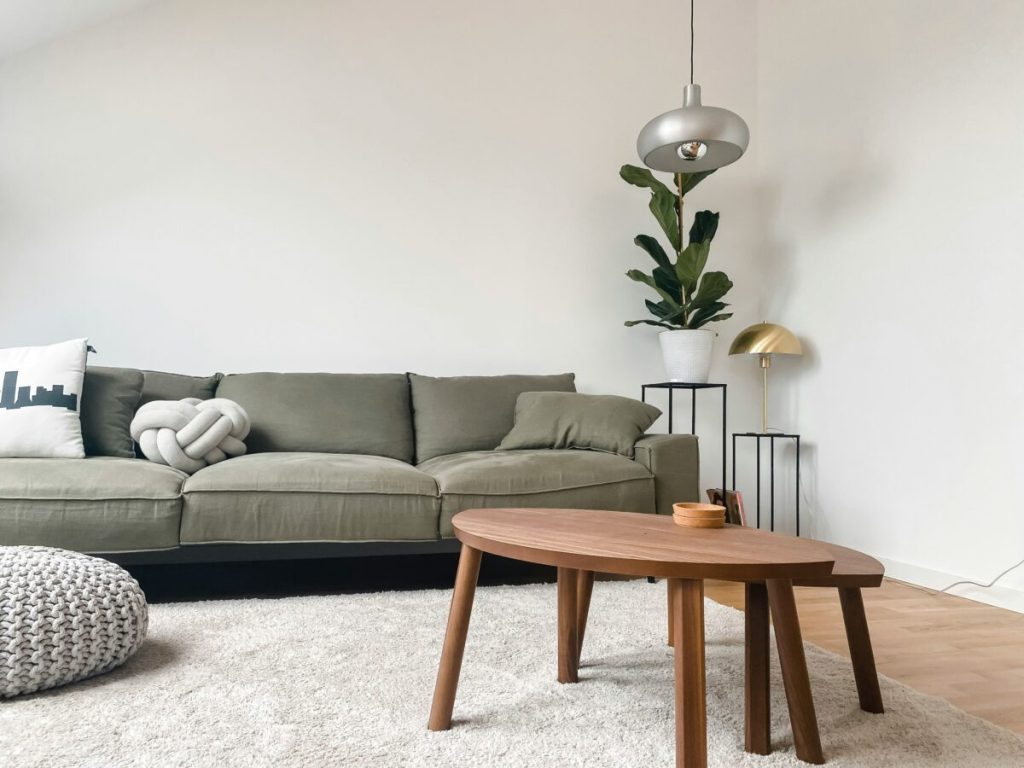
Understanding the connection between mindful consumption and stress reduction opens the door to transformative lifestyle changes. Research shows that a clean and organized environment can enhance mental clarity and create pathways for increased happiness. By adopting these mindful habits, you embark on a journey toward creating a home that is not just aesthetically pleasing but also a peaceful retreat from the chaos of modern life.
In summary, implementing strategies for mindful consumption is about more than just personal preference; it is about fostering a sense of control, responsibility, and tranquility in an often chaotic world. As we delve deeper into this topic, consider how these practices might resonate with your own lifestyle and contribute to a healthier, more intentional way of living.
DISCOVER MORE: Click here to enhance your workspace
The Role of Mindful Consumption in Stress Management
In our fast-paced society, the tendency to acquire more than we need leads not only to physical clutter but also emotional turmoil. Embracing mindful consumption goes beyond the simple act of buying; it is about creating a holistic lifestyle that promotes inner peace and clarity. As we engage in mindful consumption, we create a supportive environment that fosters relaxation and organization, making our living spaces a sanctuary rather than a source of stress.
Studies have shown that our environments significantly affect our mental health. A cluttered home can lead to feelings of anxiety and overwhelm, while a thoughtfully curated space can evoke calm and tranquility. When we choose to fill our homes with only those items that serve a purpose or spark joy, we pave the way for a more relaxed state of mind.
Strategies for Mindful Consumption
Implementing mindful consumption practices involves a series of intentional choices that can transform your lifestyle. Here are several strategies to help you become a more conscious consumer:
- Prioritize quality over quantity: When purchasing new items, consider investing in high-quality products that will last rather than cheap, disposable alternatives. This approach not only saves money in the long run but also reduces waste.
- Set a budget: Create a budget that aligns with your values and needs. This will help limit impulse buying and encourage you to think critically about each purchase.
- Practice ‘one in, one out’: For each new item you bring into your home, commit to removing one item. This ensures that your space does not become overcrowded and helps maintain a clutter-free environment.
- Engage in regular assessments: Periodically review your belongings to determine what you really need. This could mean decluttering every season or after significant life changes, such as moving or changes in family dynamics.
By adopting these practical habits, we not only alleviate physical clutter but also clear mental pathways that often contribute to stress. It reflects a deeper understanding of what is truly valuable in our lives, fostering a sense of fulfillment rather than scarcity.
Creating Organized Living Spaces
Once we shift our mindset towards mindful consumption, we can further enhance our living environments through organization. An organized space promotes a calmer atmosphere, enabling focus and efficiency in daily tasks. Simple strategies, such as creating designated areas for specific activities, can significantly affect how we navigate our homes. Here are some tips for a more organized living space:
- Utilize storage solutions: Invest in shelves, bins, and organizing tools that suit your style. Effective storage can help keep your belongings in order while maintaining a visually pleasing space.
- Implement a cleaning routine: Develop a consistent cleaning schedule to maintain organization and cleanliness. This prevents clutter from building up, promoting a nurturing environment.
- Incorporate personal touches: Decorating your space with sentimental items or artwork can create a deeper emotional connection and instill a sense of peace.
In summary, the fusion of mindful consumption and organization leads to powerful transformations within our living spaces. By being intentional about what we bring into our homes and how we maintain them, we can create environments that foster serenity, clarity, and purposeful living.
| Category | Key Features |
|---|---|
| Mindful Consumption | Focus on quality over quantity, reducing clutter and enhancing living spaces. |
| Stress Reduction Techniques | Incorporation of calming aesthetics and organized environments to promote well-being and tranquility. |
To further explore the themes of mindful consumption and stress reduction, it is essential to recognize that a conscious approach to our possessions can significantly enhance our mental clarity and emotional stability. Choosing fewer items that truly resonate with our values not only minimizes distractions but also fosters a deeper connection to our living spaces.Moreover, the proven benefits of organizing our environments can not be underestimated. Techniques such as decluttering, utilizing storage solutions effectively, and integrating elements of nature can transform chaotic areas into serene retreats. The integration of these elements not only aids in stress reduction but also encourages a lifestyle of sustainability and responsibility toward consumption habits. By prioritizing our emotional well-being through our living conditions, we can start a transformative journey toward a more peaceful existence.
DISCOVER MORE: Click here to enhance your productivity
The Psychological Benefits of a Mindfully Curated Home
Beyond the tangible impacts of mindful consumption and organization, there is a wealth of psychological benefits to consider. A thoughtfully designed living space influences our mood, productivity, and overall mental well-being. Research indicates that environments infused with intention and care can lead to greater feelings of happiness, motivation, and reduced stress levels.
One essential aspect of these benefits is the concept of environmental psychology. This branch of psychology examines the interplay between individuals and their surroundings. For example, natural light and greenery have been shown to enhance mood and foster creativity. By intentionally incorporating elements that resonate positively—such as plants, natural light, and even colors that evoke tranquility—we further promote a sense of calmness in our lives.
Decluttering: The Art of Letting Go
As critical components of mindful consumption, decluttering and letting go of items that no longer serve a purpose can yield powerful psychological relief. Research published in the Journal of Environmental Psychology reveals a direct correlation between the presence of clutter and increased stress levels. Decluttering not only frees up physical space but also provides a significant mental fresh start. The process of removing unwanted items can be cathartic, allowing individuals to reflect on what is genuinely essential.
To simplify the decluttering process, consider the “four-box method,” which involves designating four boxes labeled: “keep,” “donate,” “sell,” and “discard.” This system encourages mindful consideration of each item and aids in reducing anxiety over parting with possessions. Intentionally selecting what remains in your living space creates a clearer environment and, thus, a clearer mind.
Mindful Consumption and Emotional Resilience
Adopting a mindset of mindful consumption also encourages a deeper connection with our responses to purchasing urges. Impulse buying is often a means of coping with stress or sadness, yet it frequently leads to regret and further clutter. By recognizing these triggers and redirecting them, individuals can cultivate emotional resilience. This practice not only reduces stress but also fosters healthier coping mechanisms and mindfulness in all aspects of life.
One effective method is to implement a “pause” before making any purchasing decisions. By waiting 24 hours before finalizing a purchase, you allow feelings of desire to settle, giving space for clearer judgment. This simple yet effective practice leads to more intentional choices and reduces buyer’s remorse, ultimately creating a calmer living environment.
The Role of Community and Connection
While much of the conversation around mindful consumption and organized living focuses on individual behaviors, the influence of community cannot be overlooked. Sharing the journey of decluttering and mindful living with friends, family, or community groups can create an additional layer of support and motivation. Group activities, such as community swap meets or clothing drives, foster connectedness while promoting responsible consumption.
Engaging in shared experiences related to mindful consumption also nourishes a collective sense of belonging, which can further alleviate stress. As individuals come together to create spaces resonant with intentions of calmness and organization, they cultivate environments not just within their homes, but in their larger communities.
DIVE DEEPER: Click here to discover more
Conclusion: The Path to Serenity Through Mindful Consumption
Embracing mindful consumption and organization is not merely about aesthetics; it is a profound commitment to cultivating a harmonious living environment that nurtures mental well-being. The insights drawn from the intersection of environmental psychology and personal space serve as a compelling reminder of how our surroundings can significantly affect our emotional states. By thoughtfully curating our homes, we create spaces that foster tranquility, resilience, and purpose.
Decluttering emerges as a transformative practice that not only liberates physical space but revitalizes our mental clarity. Effectively managing what we choose to keep and what we let go invites mindfulness into our daily lives, allowing us to focus on what truly matters. Furthermore, adopting practices that delay impulsive purchases can lead to an empowered sense of control, minimizing stress and promoting emotional health.
Equally important is the role of community. Engaging with others in the journey toward mindful consumption enriches the experience and amplifies support. Collective efforts, such as community swaps and group decluttering events, reinforce connections and encourage a shared vision of less clutter and more peace. As we learn from and lean on one another, we collectively elevate our environments, creating ripples of calmness that extend beyond our homes.
As we reflect on the profound impact of our surroundings, let us inspire ourselves to take actionable steps towards a more organized, intentional, and peaceful way of living. The journey of mindful consumption and its stress-reducing benefits beckons a favorable transformation—not just within our homes, but in our souls.