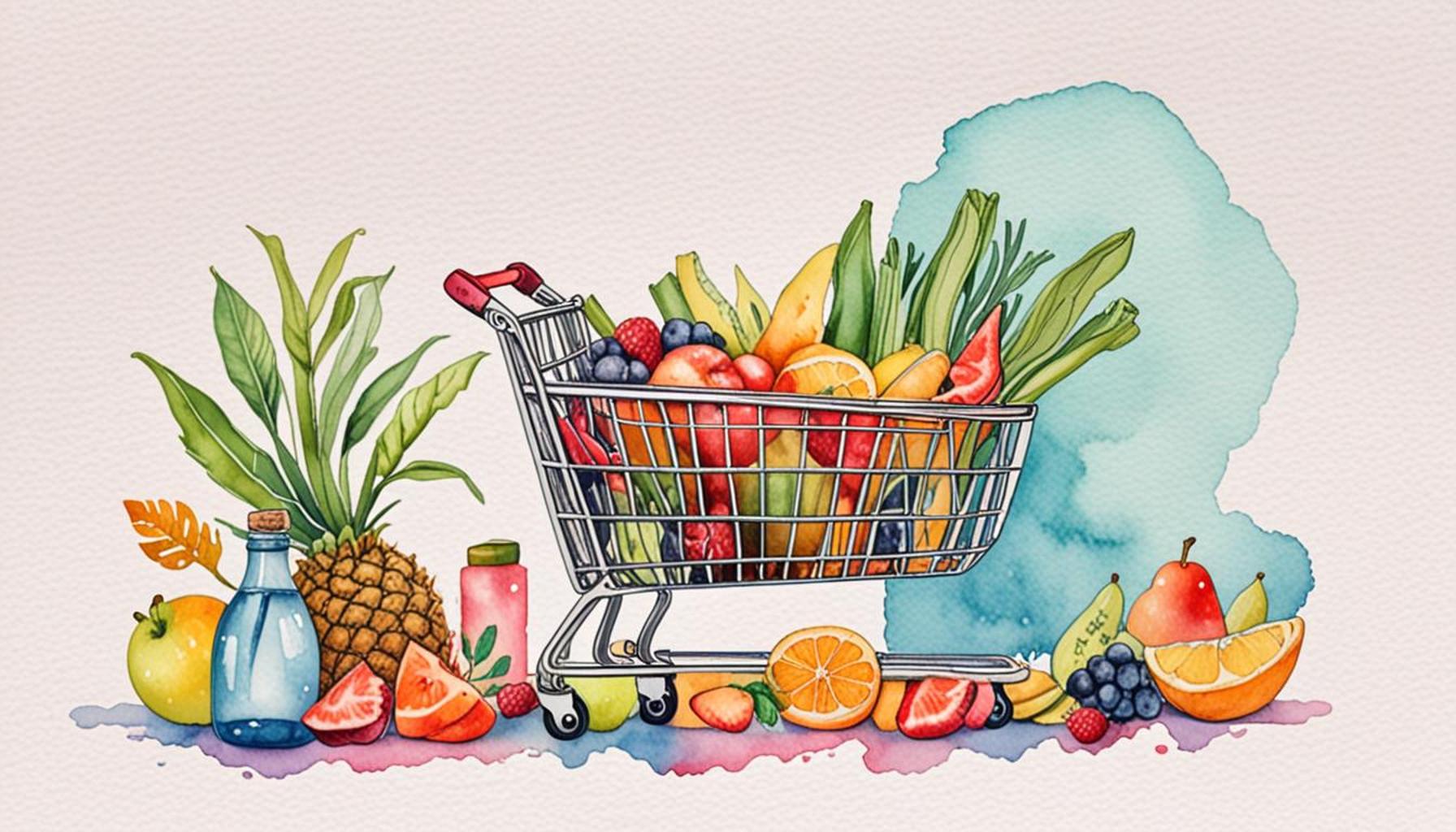
Mindful Consumption: How Conscious Choices Transform Our Lives and Spaces

Understanding Mindful Consumption
In an era marked by rampant consumerism, navigating the myriad choices available can often lead to confusion and disconnection. The practice of mindful consumption stands out as a refreshing counterpoint, urging individuals to make purchases with deliberate thought and heightened awareness. This strategy not only resonates on a personal level but also establishes a relatable bond with the broader environment. Every purchasing decision—from fresh produce to winter coats—can leave a lasting imprint on our health, finances, and the planet.
This approach encourages a thoughtful examination of the implications behind our consumer habits. When one chooses to support local farmers by purchasing organic produce, the impact extends beyond personal health benefits, such as improved nutrition and well-being. It fosters a community-oriented mindset, contributing to local economies and reducing the carbon footprint associated with transporting goods across long distances.
Impactful Aspects of Mindful Choices
- Healthier Living: Selecting items that are sustainably sourced not only enhances personal health but also connects individuals to the origin of their food. This awareness encourages better food choices and promotes a healthier lifestyle, leading to a more active and fulfilling life.
- Environmental Impact: The choice to embrace eco-friendly products plays a crucial role in mitigating environmental degradation. For instance, opting for biodegradable cleaning products can reduce harmful chemical runoff into local water systems. By prioritizing sustainable items, consumers actively contribute to waste reduction and advocate for a greener planet.
- Financial Savings: Practicing mindful consumption often leads to enhanced budgeting and decreased impulse purchases. For example, when a consumer takes the time to evaluate whether a product is truly necessary, they may decide to invest in higher quality, durable goods rather than cheap alternatives that need frequent replacement. This not only saves money in the long run but also fosters a sense of appreciation for the items one owns.
In the United States, a nation characterized by an abundance of choices, the movement towards mindfulness can feel groundbreaking. Consumers are discovering the transformative potential of their buying habits as they realize that what they choose to purchase speaks volumes about their values and beliefs. This newfound awareness encourages individuals to reflect on their consumption practices, turning their households into sanctuaries that align with their ideals, whether that be sustainability, health, or ethical labor practices.
As we delve deeper into the significance of mindful consumption, it becomes evident that every single choice creates a ripple effect that stretches far beyond personal advantage. By embracing a conscious approach to consumption, individuals can inspire communities, motivating friends and family to join in the push for a more sustainable and harmonious world. It all begins with the power of one thoughtful choice, igniting a movement that champions responsible consumption and fosters a brighter future for generations to come.

DISCOVER MORE: Click here for efficient organization tips
Benefits of Embracing Mindful Consumption
As the concept of mindful consumption gains traction, individuals are beginning to recognize the multifaceted benefits it brings to personal well-being, community resilience, and environmental preservation. Shifting towards a more conscious approach to purchasing can significantly alter not just individual lives but also the fabric of society and the state of the planet.
One of the most immediate benefits of mindful consumption is the direct positive influence it has on health and well-being. By prioritizing locally sourced or organic foods, consumers are more likely to ingest fresher produce free from harmful pesticides and synthetic additives. Studies have shown that eating organic has potential long-term health advantages, such as a lower risk of chronic diseases. Not only does this reflect an awareness of health choices, but it also cultivates a deeper connection to local agriculture, encouraging a support system for farmers and promoting biodiversity in food systems.
Another prominent aspect of mindful consumption is its profound environmental impact. By selecting products with sustainable packaging or opting for refillable containers, individuals can significantly reduce the amount of plastic waste generated annually. For example, according to the Environmental Protection Agency (EPA), in 2018, Americans generated about 292.4 million tons of trash – nearly half of which was recyclable or compostable. Making conscious choices can lead to less trash in landfills and protect ecosystems from the detrimental effects of pollution.
Transforming Lives and Communities
- Empowerment through Connection: Mindful consumers often express a strong sense of empowerment and community engagement. By purchasing from small businesses or local artisans, they strengthen economies, generate local jobs, and create a sense of belonging.
- Financial Intelligence: Shifting focus from quantity to quality can improve financial literacy. Consumers who learn to differentiate between needs and wants are better equipped to manage budgets and prioritize long-term investment over impulsive spending.
- Raising Awareness: Mindful consumption fosters discussions about ethical labor practices, animal welfare, and sustainable production methods. These conversations play a vital role in shifting societal norms, encouraging individuals to challenge the status quo and advocate for better practices within industries.
In the United States, as more consumers become introspective about their buying habits, a cultural shift is underway. People are increasingly acknowledging the impact of their consumption patterns, which has led to a growing demand for products that align with personal values and ethics. Shoppers are actively looking for brands that demonstrate transparency and accountability, which enhances their purchasing experience and satisfaction.
The link between mindful consumption and personal transformation is powerful. When individuals take the time to consider the origin, purpose, and social implications of their purchases, they begin to cultivate a lifestyle that reflects their core beliefs. It is no longer about merely acquiring goods; it is about creating lasting relationships with what we choose to bring into our lives and spaces.
| Advantage | Impact |
|---|---|
| Environmental Sustainability | Making mindful choices leads to reduced waste and promotes sustainable practices, crucial for preserving ecosystems. |
| Health Benefits | Conscious consumption often translates to healthier food choices, enhancing overall well-being and longevity. |
Mindful consumption is not merely a trend; it symbolizes a fundamental shift in how we view our needs and the impact of our choices on the world. As consumers become increasingly aware of their purchasing power, the demand for sustainable, eco-friendly products rises, which catalyzes corporate responsibility and innovation. Additionally, adopting a mindset that emphasizes mindfulness can transform our living spaces into therapeutic environments. By choosing products made from natural materials, free from toxic chemicals, and supporting local artisans, we nurture both our spaces and our communities. These choices support a larger narrative—the ripple effect of conscious consumption extends beyond personal satisfaction; it fosters a sense of belonging and shared responsibility toward the planet and future generations. With every decision, we are not just consumers; we are catalysts for change. This journey into mindful consumption opens doors to exploring further the intricate relationships between our choices, the environment, and our health.
DISCOVER MORE: Click here to dive deeper
Mindful Consumption in Action: Real-Life Examples
While the benefits of mindful consumption are vast, understanding how it manifests in daily life can provide a clearer picture of its potential impact. Various communities across the United States are pioneering innovative ways to embrace conscious choices. From collaborative consumption models to sustainable living initiatives, these examples illuminate the transformative possibilities of a mindful lifestyle.
One notable instance of mindful consumption is the rise of cooperative grocery stores. In cities like Madison, Wisconsin, and Portland, Oregon, these cooperatives emphasize mutual ownership and direct partnerships with local farmers. Shoppers can not only purchase fresh, organic produce but also engage in the decision-making processes that determine what products are stocked. This not only enhances transparency but also fosters a sense of community ownership and accountability, making consumers active participants in their local economy.
Another remarkable trend reflecting mindful consumption is the zero-waste movement. Cities such as San Francisco have adopted ambitious goals aimed at minimizing waste. Encouraging residents to embrace practices like bulk shopping, composting, and using reusable containers, San Francisco provides a framework for reducing landfill contributions close to zero. Such initiatives empower individuals to adopt a more sustainable lifestyle while reducing their overall environmental footprint.
Technology and Mindful Consumption
- Apps for Conscious Shopping: With the rise of technology, several apps have surfaced to guide users toward more mindful purchasing decisions. Applications like Good on You allow consumers to evaluate clothing brands based on their sustainability and ethical labor practices, providing an accessible way to choose eco-friendly and socially responsible products.
- Online Communities: Digital platforms like Facebook groups and Instagram accounts dedicated to sustainable living have gained traction, connecting individuals who share tips and experiences related to mindful consumption. This fosters a community of like-minded people who inspire and motivate each other to make informed choices.
- Subscription Services: Subscription boxes filled with sustainable or ethically sourced products are gaining popularity. Companies like TheraBox or EarthBox curate items that promote wellness, sustainability, and ethically responsible practices, demonstrating how convenience can align with conscious living.
Furthermore, many cities are seeing a surge in buying local campaigns. These initiatives encourage consumers to shop at local markets or purchase from regional businesses, reinforcing local economies and ensuring that money spent remains within the community. According to the American Independent Business Alliance, local businesses recirculate a significant portion of their revenue—often three times more than national chains—making the choice to buy local not only sustainable but economically beneficial.
The narrative surrounding mindful consumption extends beyond mere product selection. Understanding the psychological shift that occurs when one engages in thoughtful purchasing is equally important. Being mindful about consumption often requires a deeper awareness of personal values, which can shift how individuals interpret happiness, success, and fulfillment. Instead of deriving satisfaction from material accumulation, many find joy in nurturing relationships, experiences, and connections.
Incorporating mindful consumption into our daily lives is about fostering awareness, crafting community bonds, protecting the environment, and ultimately promoting individual well-being. As this awareness spreads, it has the potential to revolutionize not just consumer behavior, but the marketplace dynamics themselves, leading to a transformative experience in the lives of many.
DISCOVER MORE: Click here to learn optimization techniques for small spaces
Conclusion: The Future of Mindful Consumption
As we reflect on the journey of mindful consumption, it becomes evident that our choices ripple far beyond the confines of our shopping carts. The shift towards intentional purchasing not only enhances individual well-being but also cultivates strong community ties while promoting environmental sustainability. By prioritizing local economies through cooperative grocery stores, participating in zero-waste initiatives, and harnessing technology to inform decisions, we can redefine the very essence of consumerism in our society.
This cultural movement encourages us to reevaluate our definitions of happiness and fulfillment, emphasizing the value of experiences and relationships over material possessions. As evidence mounts regarding the positive impacts of mindful practices, it is vital to consider how these conscious choices influence our daily lives and the broader marketplace. When we collectively embrace a mindset of sustainability and responsibility, we pave the way for innovations that resonate with our values while nurturing our planet.
The future of mindful consumption is not just a passing trend; it represents a transformative shift in how we interact with the world around us. As individuals continue to prioritize conscious choices, the demand for sustainable products will only grow, prompting businesses to adapt and thrive in new, eco-friendly ways. Investing in our communities, protecting our environment, and refining our personal values are not merely aspirations—they are essential steps towards a more equitable and sustainable future.
In essence, mindful consumption goes hand in hand with creating vibrant, resilient spaces where all can flourish. Moving forward, let us champion this lifestyle not only for ourselves but for generations to come, ensuring that our choices today will forge a better tomorrow.