Integrating Nature and Minimalism: How Plants Can Optimize Spaces and Enhance the Sense of Spaciousness
The Benefits of Integrating Nature into Your Home
As modern life accelerates, people increasingly yearn for spaces that offer a reprieve from the chaos. One of the most effective methods to achieve this tranquility is by incorporating nature into the home environment. This approach aligns beautifully with the principles of minimalism, which advocate for simplicity and intentionality in our living spaces. By incorporating plants strategically, even the smallest areas can be transformed into relaxing havens.
One of the most compelling advantages of adding plants is improved air quality. According to research from NASA’s Clean Air Study, common houseplants like the spider plant, peace lily, and snake plant are known to filter indoor pollutants including formaldehyde, benzene, and carbon monoxide. This natural purification process not only results in cleaner air, but it also infuses a sense of vibrancy into the home, making it feel alive and refreshing.
Furthermore, plants contribute to the visual appeal of a space. Imagine a beautifully placed pothos cascading from a shelf or a tall rubber plant standing guard in an empty corner. These living sculptures become the focal points of any room, inviting the eye without overwhelming the senses. They can assist in breaking up the monotony of neutral walls and contemporary furniture, introducing colors and textures that elevate interior design.
Perhaps one of the most significant perks of having greenery around is its impact on our mood. Research conducted by the University of Essex found that interacting with indoor plants can lead to a 58% reduction in stress levels. The mere act of watering a plant or tending to its leaves can be meditative, offering a moment of mindfulness in an otherwise busy day. Living in space infused with greenery encourages a positive atmosphere and can enhance creativity, making it an ideal setup for work-from-home individuals or families.
In minimalist design, the philosophy of “less is more” is at play. By selecting plants that resonate with your space, such as small succulents for tabletops or hanging ferns to soften harsh lines, one can creatively influence both the aesthetic and functional aspects of a room. Rather than merely decorative items, plants become pivotal elements in enhancing the experience of living spaces.
Join us in further exploring this fascinating intersection of nature and minimalism. As we investigate the myriad ways plants can optimize our environments, you might be inspired to rethink traditional design concepts. From finding the right species for your space to employing creative arrangements, the journey of turning your home into a rejuvenating retreat is just beginning.
DISCOVER MORE: Click here for minimalist strategies
The Right Plants for Every Space
When considering the integration of nature with minimalist design, it’s crucial to select the right plants that resonate with both the aesthetic and functional dynamics of your space. Not all plants are suited for every environment, and understanding this can help you create a more cohesive and inviting atmosphere. Here are some key factors to consider when choosing plants:
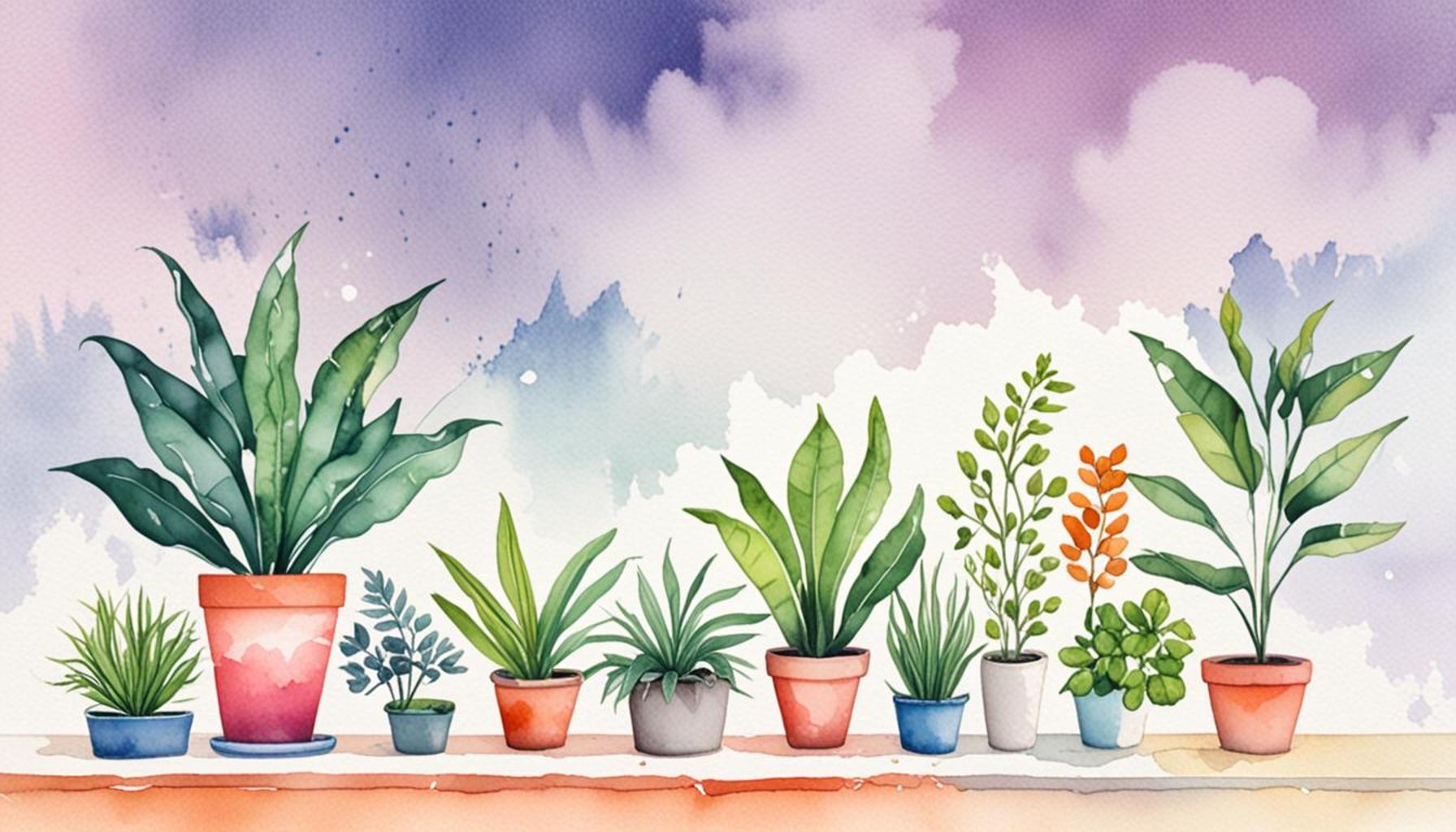
- Light Requirements: Different plants thrive in varying light conditions. For instance, snake plants and ZZ plants can withstand low light, making them perfect for corners or areas that lack natural sunlight. Conversely, succulents and cacti flourish in bright, indirect light, making them well-suited for sunny windowsills.
- Size and Scale: In minimalistic design, the extent of space must be considered. Large plants, such as ficus trees or monstera plants, work well in expansive rooms with high ceilings, while smaller plants like air plants or miniature succulents can bring charm to small shelves or tables.
- Low Maintenance vs. Care Requirements: Depending on your lifestyle, it might be essential to select plants that require minimal care. Pothos is notoriously forgiving and requires little attention, making it suitable for busy households or for those new to plant care.
- Air Purification Qualities: As mentioned earlier, certain houseplants not only enhance visual appeal but also improve indoor air quality. Opting for plants like spider plants or peace lilies not only beautifies the space but also ensures you breathe in cleaner air.
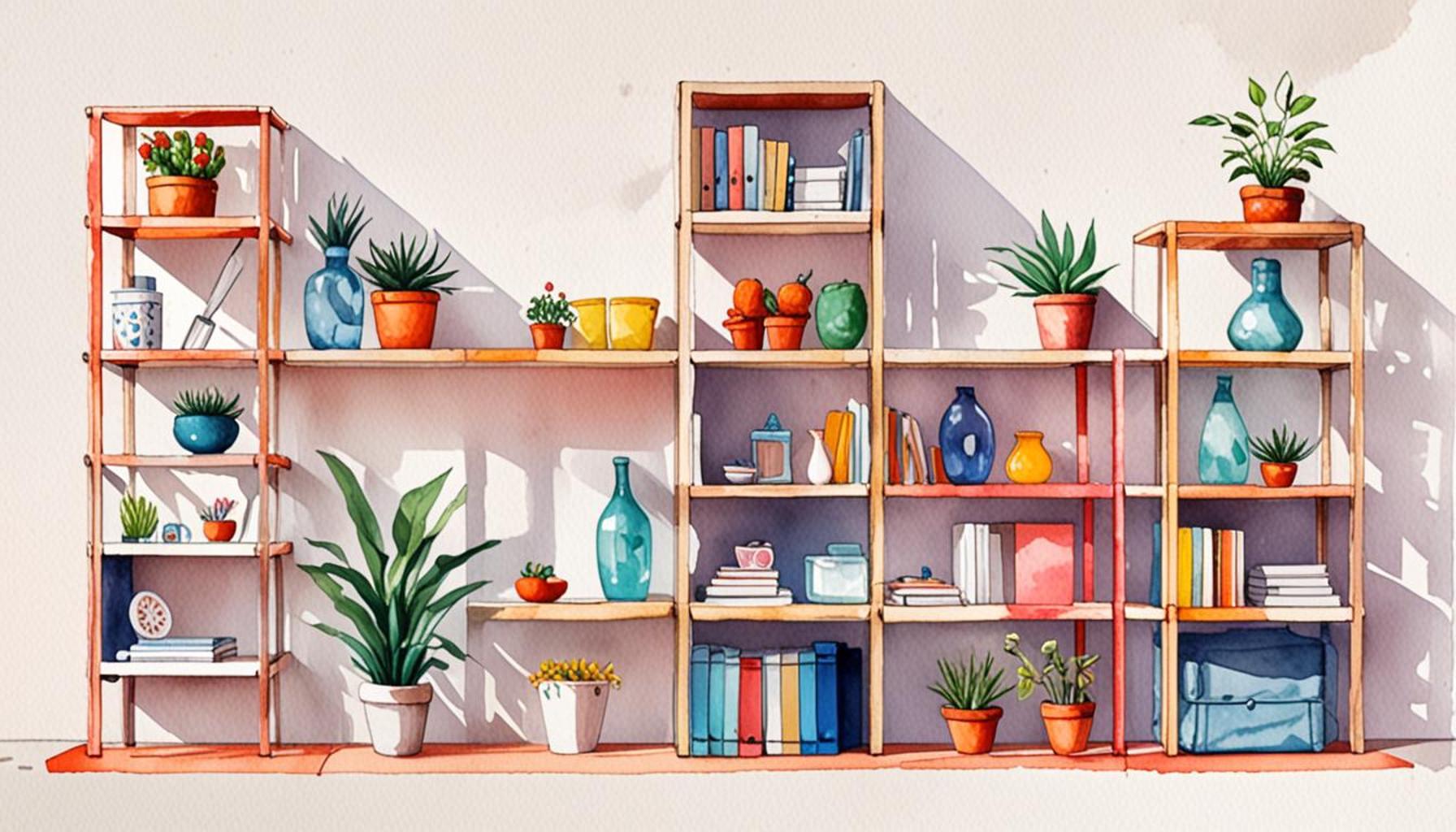
Once you’ve narrowed down your choices, it’s time to consider placement and arrangement. Plants should be integrated thoughtfully into the overall design to avoid creating clutter while still delivering a robust visual impact. For example, a single tall plant in an empty corner can draw the eye and provide balance, while several smaller plants can be grouped on a shelf to create an attractive arrangement without overwhelming the space.
Another innovative approach to integrating plants is through vertical gardening. Utilizing living walls or wall-mounted planters can transform a plain wall into a vibrant natural display. This is especially fitting in smaller spaces where floor real estate is limited but vertical surfaces are abundant. Vertical gardens support minimalism by utilizing space efficiently, allowing for an abundance of greenery without sacrificing aesthetic discipline.
Beyond aesthetics, the strategic placement of plants can also enhance the sense of spaciousness. By drawing the eye upward, tall plants can create an illusion of height, making a room feel larger. Meanwhile, lush greenery can soften harsh architectural elements, leading to a more inviting and harmonious environment that fosters relaxation.
As we continue to explore how plants can optimize your living spaces, consider how their integration aligns with your personal preferences and lifestyle. From Instagram-worthy arrangements to practical positioning, this exploration promises to inspire innovative ideas that resonate with your minimalist aspirations.
| Category | Description |
|---|---|
| Air Quality Improvement | Plants can significantly enhance indoor air quality by absorbing toxins and releasing oxygen, creating a healthier environment. |
| Aesthetic Appeal | Integrating plants adds a layer of visual interest to spaces, combining nature’s beauty with minimalist design for a serene atmosphere. |
Incorporating plants into minimalist designs not only contributes to aesthetic appeal but also plays a crucial role in air quality improvement. The principle of integrating nature aims to create a harmonious balance between indoor spaces and the natural world, promoting tranquility and enhancing well-being. Research suggests that plants can effectively remove common indoor pollutants such as formaldehyde and benzene, while also elevating the overall oxygen levels in a given area. When strategically placed, plants can act as natural dividers, subtly distinguishing different zones within an open layout while maintaining a sense of continuity. For example, tall plants like Fiddle Leaf Figs or Snake Plants work well in dividing spaces without overwhelming a minimalist aesthetic. This approach not only optimizes spatial configurations but also renews the ambiance, reinforcing the connection between humans and nature. Minimalism encourages the elimination of excess, and what better way to create openings in a space than with carefully chosen greenery? Invest in low-maintenance plants—like succulents or peace lilies—that require minimal care but add profound value to your living space. Embracing the concept of integrating nature through plants can transform ordinary areas into extraordinary spaces that resonate with life, freshness, and spaciousness.
DISCOVER MORE: Click here to boost your productivity
Creating a Calming Atmosphere with Plants
Beyond their aesthetic value, plants play a pivotal role in enhancing the emotional and psychological quality of indoor environments. The presence of greenery has been linked with improved mental well-being, reduced stress, and increased productivity—key elements of any minimalist space. Let’s delve into how incorporating plants nurtures a calming atmosphere and promotes a sense of spaciousness.
Research has shown that greenery and natural elements can have a profound impact on our overall mood. Studies indicate that being around plants can reduce anxiety, lower blood pressure, and even enhance cognitive function. This makes them particularly beneficial in home offices or study areas, where focus and serenity are needed. For instance, a few strategically placed spider plants or a serene bamboo palm can create not just a visually pleasing space, but also a sanctuary for the mind.
Designing with Natural Textures and Colors
Minimalist design thrives on simplicity and harmony, and plants can naturally enhance this synergy through color and texture. The lush greens of foliage add dimension to predominantly neutral palettes, while varied textures from plants—like the smooth surfaces of succulents versus the soft leaves of ferns—inject life into otherwise stark environments. When combined with minimalist furnishings, such as a sleek coffee table or a streamlined sofa, plants can soften harsh lines, creating a welcoming balance.
Additionally, playing with shades can help articulate different zoning within open-plan spaces. For example, a collection of vibrant colored pots can denote a cozy reading nook, while a cluster of tall plants can define the periphery of the living area without the use of physical barriers, thus maintaining an open and spacious feel.
Seasonal Updates for a Dynamic Space
Embracing a “nature-inspired minimalism” means recognizing the changing seasons and the opportunity to refresh your space with seasonal plants. Floral plants in the spring can invigorate a space with bursts of color; vibrant fall foliage can introduce warmth during the colder months; and various evergreens can provide life and vibrancy year-round. This rotation not only keeps your area lively but also encourages mindful consumption and connection with nature.
Moreover, seasonal changes encourage a sense of appreciation for the natural cycles of life. By incorporating plants that change with the seasons, you cultivate a dynamic environment that stays in tune with the world outside, adding to the sense of spaciousness through visual variety and seasonal rhythms.
Incorporating Aromatherapy through Plants
One layer often overlooked in minimalist design is the sensory experience of fragrance. Plants such as lavender, jasmine, or rosemary not only serve visual purposes but also introduce pleasant scents that can enhance mood and create a serene atmosphere. The incorporation of aromatic plants can influence the psychology of a space, providing a feeling of tranquility that complements the open, airy essence prominent in minimalism.
Incorporating these sensory elements not only redefines your physical space but also reaffirms the connection to nature, creating harmonious relationships between your living space and mental state. When plants are thoughtfully integrated into minimalist design, they elevate the environment, ensuring that simplicity doesn’t mean sacrificing comfort or beauty.
As a result, the integration of plants becomes an artistic expression, harmonizing the essence of nature and minimalism while promoting a sense of spaciousness that enriches daily life. With thoughtful consideration of design choices and plant varieties, you can transform any area into a peaceful oasis.
DIVE DEEPER: Click here to learn how space optimization shapes a minimalist lifestyle
Embracing Nature for a Spacious Future
In the quest for harmony between nature and minimalism, the presence of plants cultivates a unique synergy that not only optimizes our living spaces but also enriches our emotional well-being. As we’ve explored, plants serve as powerful tools for elevating the atmosphere of minimalist environments, infusing them with color, texture, and a sense of calmness. Their ability to reduce stress and boost productivity reinforces the importance of integrating these living elements into our homes and workplaces.
Moreover, seasonal adaptations of plant life create a dynamic visual experience that keeps our spaces lively and engaging. Whether it’s the vibrant blossoms of spring or the warm tones of autumn leaves, the cycle of nature invites us to appreciate the world around us while fostering a sense of spaciousness. Additionally, the incorporation of aromatic plants further enhances our sensory experience, solidifying the connection between our surroundings and our inner state of mind.
As we continue to navigate the complexities of modern living, embracing a nature-inspired minimalism can lead to transformative changes in our environments. By making thoughtful plant choices and considering their placement, we can create serene, open spaces that reflect both simplicity and comfort. In the end, integrating nature into our minimalist designs is not merely about aesthetic value; it is about fostering a lifestyle that prioritizes well-being, mindfulness, and our connection to the earth. Step into this green journey, and discover how plants can truly optimize your space and enhance your sense of spaciousness.