Creating Comfort Zones: The Importance of Defining Spaces in Minimalist Organization
The Importance of Defining Spaces in Our Lives
In today’s fast-paced society, where the hum of technology and the clamor of daily responsibilities often overshadow our peace, the notion of creating a comfort zone within our homes is not just a luxury—it’s a necessity. The way we define spaces can profoundly influence our mental well-being, productivity, and overall happiness. By employing minimalist organization principles, individuals can design environments that not only encourage relaxation but also spark creativity.
Transforming a chaotic environment into a tranquil retreat hinges on a few core principles that, when applied thoughtfully, can facilitate significant change. Below are key strategies to consider when shaping your personal comfort zones:
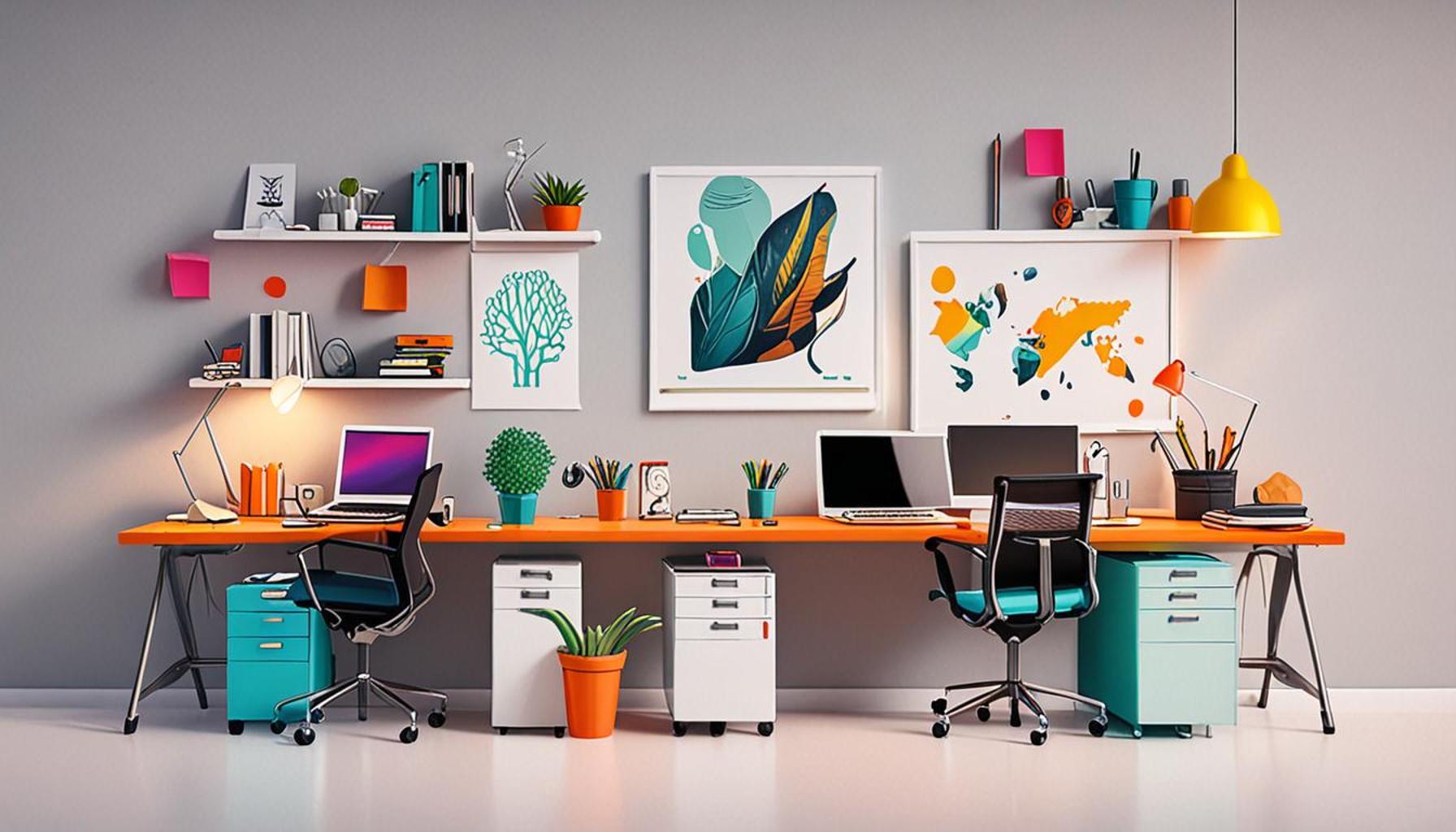
- Identify Purpose: Each space in your home should cater to a specific function. For instance, a reading nook should be quiet and inviting, while a home office needs to be structured to enhance productivity. Clearly designated areas help in minimizing distraction and creating an environment conducive to the intended activity.
- Embrace Simplicity: As the saying goes, “less is more.” Reducing clutter can greatly enhance one’s state of mind. By clearing away excessive items, you create a sense of spaciousness that alleviates feelings of stress and allows for better focus on tasks or relaxation.
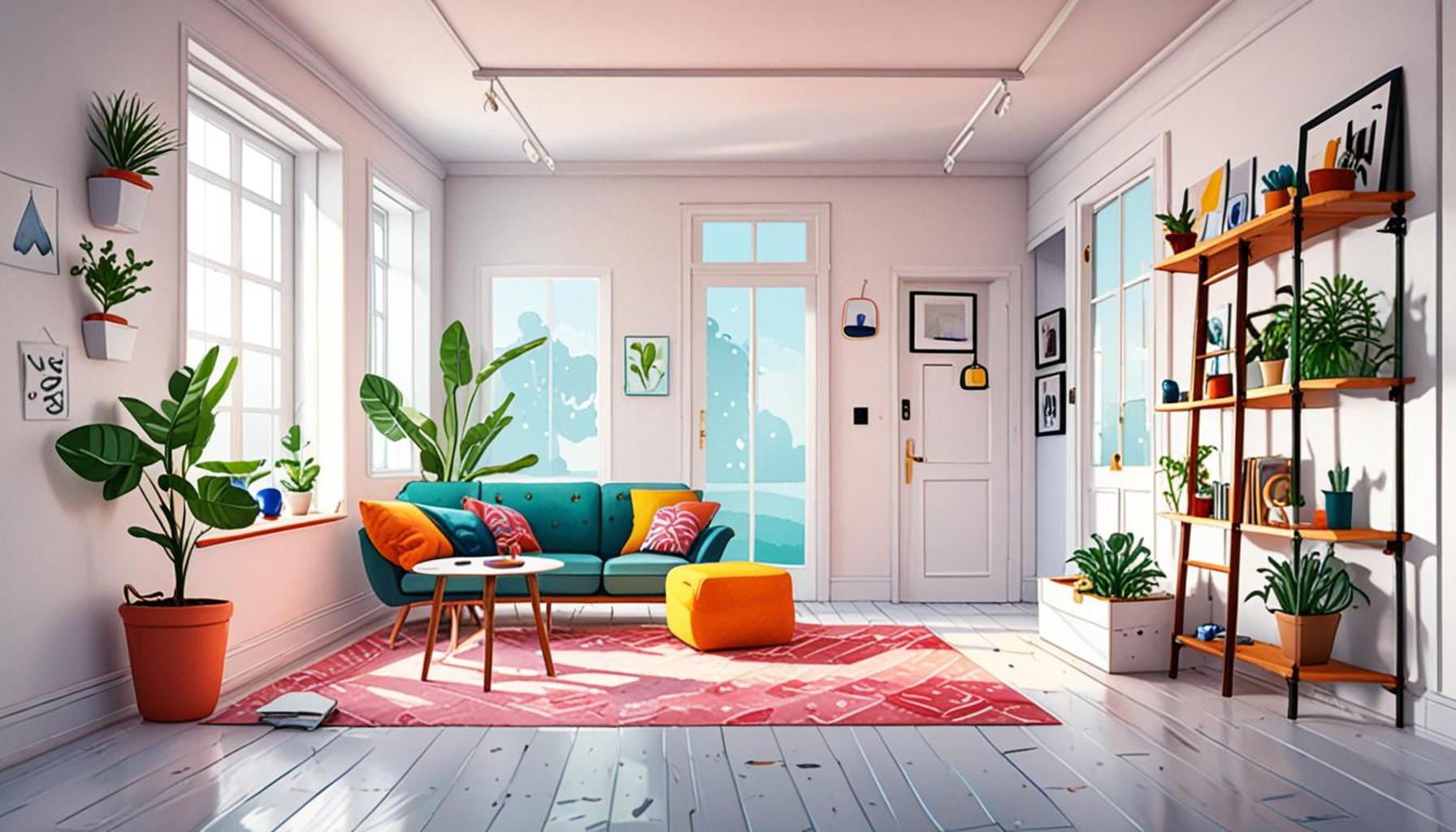
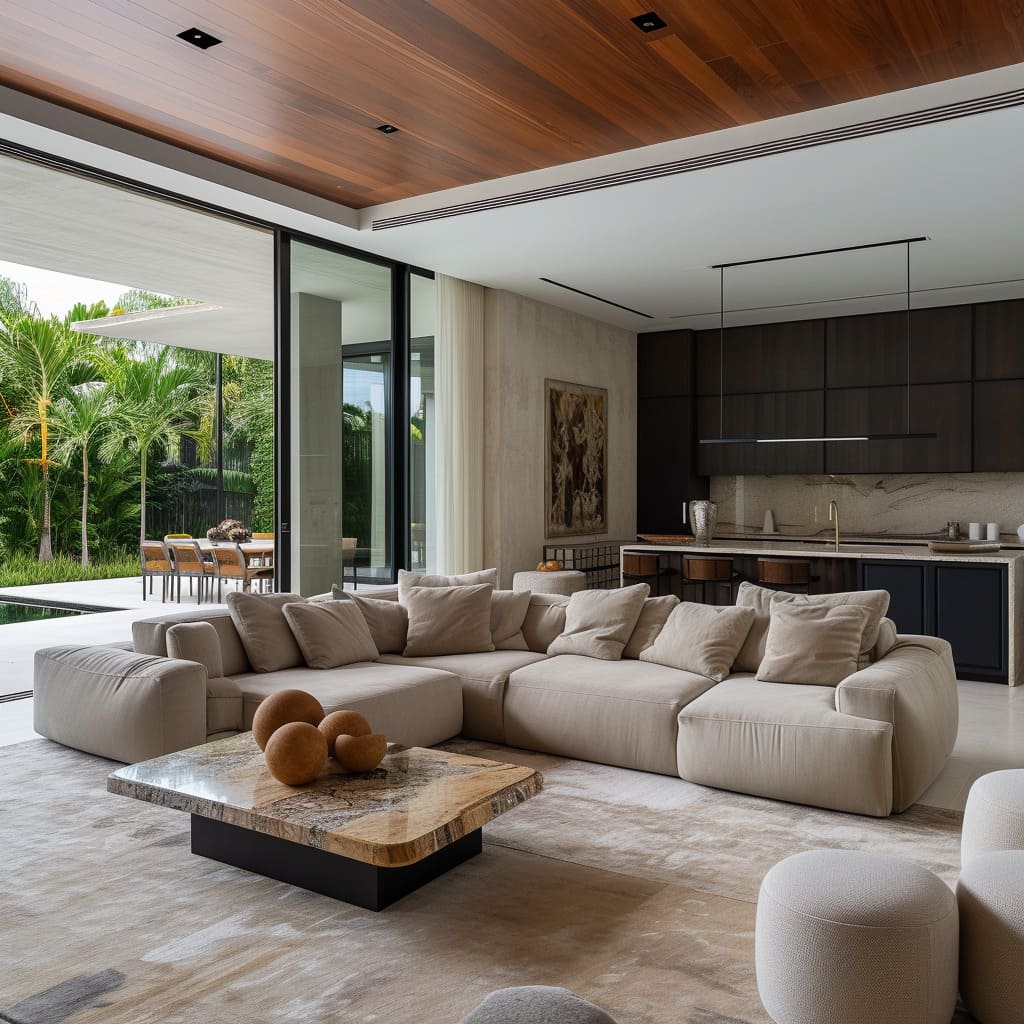
- Enhance Comfort: Comfort elements such as plush cushions, textured rugs, and layered soft lighting can transform a sterile environment into a welcoming sanctuary. Cozy touches encourage users to unwind, fostering a serene atmosphere that is essential for mental health recovery.
- Personal Touch: Incorporating items that resonate with your personality—whether it’s artwork from local artists or family mementos—can make spaces feel more inviting. Personalization fosters a deeper emotional connection, helping to cultivate a warm and inviting home environment.
When spaces are defined and optimized with intent, the benefits can be transformative. Individuals often report enhanced focus, heightened creativity, and an undeniable sense of tranquility. The minimalist organization trend is notably gaining traction in North America, where many seek to reclaim balance amid the chaos of modern life. Platforms like Instagram and Pinterest feature countless examples of how to achieve this, inspiring a growing community that values mindful living.
By embarking on the journey to establish your own comfort zones, you may find that these thoughtfully curated environments lead to a more harmonious and fulfilling existence. This exploration goes beyond the mere art of organization; it unveils how a well-defined home can profoundly influence our lives, nurturing our mental health and emotional well-being in the process.
DISCOVER MORE: Click here for expert tips on maximizing small spaces
Strategies for Defining Comfort Zones in Minimalist Living
Creating comfort zones goes hand-in-hand with the principles of minimalist organization. Establishing a peaceful environment at home requires deliberate thought and a clear understanding of how space affects our daily lives. The following strategies are essential in cultivating areas that serve specific purposes while promoting relaxation and productivity.
One of the first steps in defining spaces is to assess your needs. Take a moment to evaluate how different areas within your home currently function. Consider questions such as: What activities do I frequently engage in? What environments make me feel most at ease? By identifying these needs, you can begin to allocate distinctive areas that cater to these functions, whether it’s a meditation corner, a crafting table, or a cozy reading spot. Understanding your lifestyle allows for more intentional design, which is crucial for creating effective comfort zones.
- Create Open Spaces: Minimalist design emphasizes openness. Allowing for plenty of empty space in your home can help reduce feelings of being overwhelmed. This might mean rearranging furniture to promote flow or eliminating unnecessary items that crowd your environment. Less visual clutter contributes to enhanced focus and relaxation.
- Incorporate Natural Elements: Nature has a calming effect on our minds. Adding elements like plants, natural wood finishes, or stone textures can enhance the ambiance of any space. Not only do these elements add beauty, but they also contribute to improved air quality and overall wellness.
- Utilize Multifunctional Furniture: In a minimalist setting, every piece of furniture should serve a purpose. Consider investing in items that offer versatile functionality, such as a foldable desk that transforms into a dining table or ottomans that provide both seating and storage. This approach allows you to make the most out of limited space while maintaining a clutter-free environment.
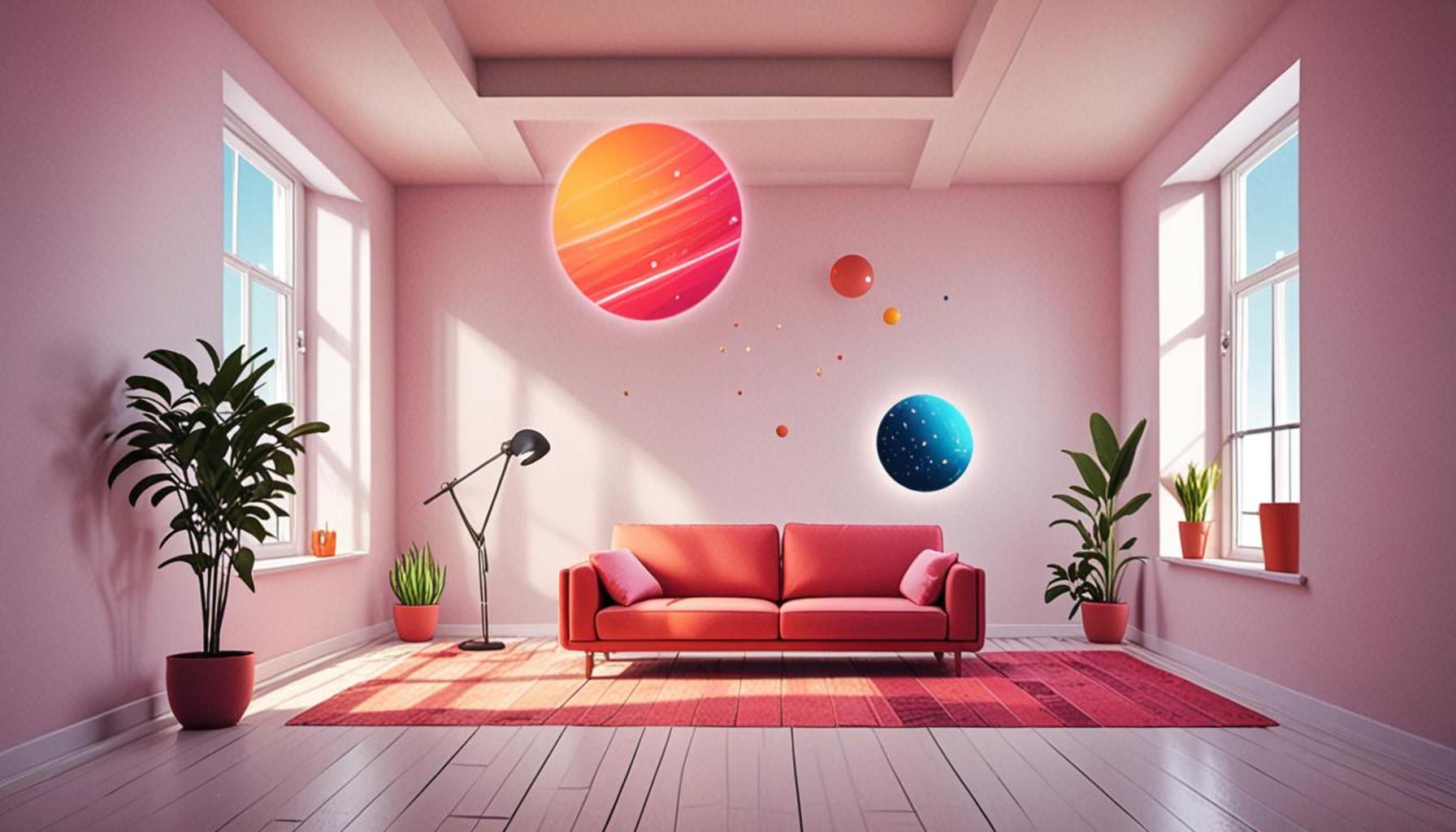
- Set Boundaries: Clearly defined zones can provide a sense of structure. Use rugs, furniture placement, or decorative dividers to draw lines between different areas. This simple act of delineation helps the brain to associate specific locations with designated activities, creating a smoother transition between work and relaxation.
By implementing these strategies, you not only create distinct comfort zones but also a more harmonious living space. Minimalist organization assists in fostering a lifestyle that prioritizes mental clarity and emotional stability, which is increasingly vital in a world where distractions are abundant. Studies have shown that individuals residing in organized and aesthetically pleasing environments report lower stress levels and greater overall happiness.
As you embark on your minimalist journey, remember that the process of defining spaces is not just about physical organization; it’s also about nurturing a healthy relationship with your home. It’s about aligning your environment with your values and personal needs, creating spaces that promote well-being and peace.
| Advantage | Description |
|---|---|
| Enhanced Focus | Creating defined spaces allows for improved concentration by minimizing distractions in your environment. |
| Emotional Well-being | A clear distinction of areas helps to establish a sense of calm, promoting mental clarity and reducing stress. |
| Increased Productivity | Organized spaces lead to greater efficiency, allowing for quicker access to necessary items and reducing time spent searching. |
| Personalized Spaces | Defining specific areas facilitates customization that can reflect personal style and comfort preferences. |
Delving into the core of creating comfort zones, it’s essential to understand that these defined spaces do more than just beautify an area—they serve as critical elements in a minimalist organization strategy. By enhancing focus, they allow individuals to zone into their tasks without the interference of visual noise. Moreover, the emotional well-being fostered by these designated areas can’t be overstated; they provide a sanctuary for relaxation and mental refreshment. Research has shown that environments tailored for specific functions can lead to increased productivity. For instance, a workspace free of clutter invites creativity and stimulates motivation. More so, implementing personalized spaces is a striking way to manifest individuality, ensuring that comfort is not sacrificed for utility. By examining these dimensions of minimalist organization, it becomes clear how essential defined spaces are in creating comfort zones that resonate with our daily lives. Explore further into how these principles can be seamlessly integrated into your own everyday environments.
DISCOVER MORE: Click here to enhance your workspace
Personalizing Your Space: The Role of Aesthetics in Comfort Zones
Building comfort zones in minimalist organization is not solely about functionality; it’s equally about the aesthetic appeal that resonates with your personal style. The visual aspects of a space play a crucial role in how we perceive and interact with our environments. By selecting colors, textures, and arrangements that reflect your identity, you can foster a deeper sense of belonging and tranquility within your home.
Color Psychology is a powerful tool in defining spaces. Different colors evoke varied emotional responses and setting the right tone in each area can profoundly impact your mood. For example, shades of blue are often said to promote relaxation and calmness, making them suitable for a bedroom or a meditation area. On the other hand, yellows can invigorate and energize, ideal for an office or creative workspace. When curating your comfort zones, think about what colors speak to you and enhance your sense of peace.
In addition to color, decorative elements can significantly influence the comfort of specific zones. Consider the use of artwork, textiles, and personal mementos that resonate with your life experiences. Incorporating personal photographs in your workspace or artwork that inspires you can create a rich, warm atmosphere that reflects your journey. The instinct to incorporate such personal touches aligns with the minimalist ethos: every item should tell a story or serve a purpose.
Lighting is another essential element in crafting effective comfort zones. The right lighting can transform a space, making it feel more inviting or more functional. Natural light is ideal for promoting wellness; thus, organizing your furniture to maximize daylight can improve your mood and overall energy levels. In the absence of natural light, consider adjustable soft lighting options. Dimmer switches and layered lighting can help create a gentle ambiance, ideal for relaxation in living areas or cozy reading nooks.
- Incorporate Personal Activities: Beyond just aesthetics, think about activities that bring you joy and integrate them into your comfort zones. A small area dedicated to hobbies like painting or knitting not only serves as a functional space but also enhances your emotional well-being.
- Use Mirrors Wisely: Strategically placing mirrors can enhance natural light and create an illusion of more spaciousness, making a room feel open and serene. This tactile addition to decor aligns with the minimalist principle of optimizing space while also elevating aesthetic appeal.
Moreover, aromas are an often-overlooked sensory aspect that contributes to creating comfort zones. Introducing elements like essential oil diffusers, candles, or potpourri can positively alter the atmosphere of your various spaces. Scents like lavender or eucalyptus can provide soothing effects, perfect for areas designated for relaxation, while citrus fragrances can rejuvenate workspaces.
By recognizing the interplay of aesthetic choices, scents, and activities in defining comfort zones, you foster an environment that is not only organized but also genuinely supportive of your well-being. Minimalism is about more than just decluttering; it’s a movement to enhance your life experience by creating intentions behind each space you inhabit. As you redefine your comfort zones, embrace a holistic approach that nourishes not just the physical environment but your emotional landscape as well.
DISCOVER MORE: Click here to find out how
Conclusion: Embracing the Essence of Comfort Zones in Minimalist Organization
In a fast-paced world where chaos often reigns, creating comfort zones through minimalist organization becomes a vital necessity for nurturing our well-being. The process transcends mere decluttering; it’s fundamentally about establishing defined spaces that reflect our personal identities and support our emotional landscapes. As we have explored, thoughtfully selecting colors, textures, and decorative elements creates an atmosphere of tranquility and belonging. The role of lighting and aromas cannot be understated, as they have the power to significantly influence our moods and enhance the essence of each designated area.
It’s essential to remember that minimalism is an invitation to cultivate intentionality within our living spaces. By embracing activities and interests that resonate deeply with us, we transform our environments into sources of inspiration and joy. Every object, every corner of our home should tell a story or serve a purpose, aligning perfectly with our values and aspirations. This holistic approach to organizing not only leads to physical clarity but also fosters a mental state of serenity and creativity.
Ultimately, defining spaces is more than a trend—it is a journey toward personal empowerment and emotional well-being. By prioritizing the creation of comfort zones in our lives, we not only enhance our living environments but also embrace a lifestyle that promotes peace, focus, and genuine satisfaction. So take that step toward redefining your spaces; your mental wellness and happiness will undoubtedly flourish within these curated comfort zones.