Efficient Organization: How Minimalism Contributes to the Improvement of Space Functionality
Understanding Minimalism
The approach of minimalism does not merely apply to design or artistic expressions; rather, it encapsulates a holistic lifestyle choice aimed at stripping away the unnecessary to reveal what is essential. In our frequently chaotic lives, particularly in the fast-paced context of the United States, minimalism provides a pathway to clarity and peace by transforming how we consume and interact with our surroundings.
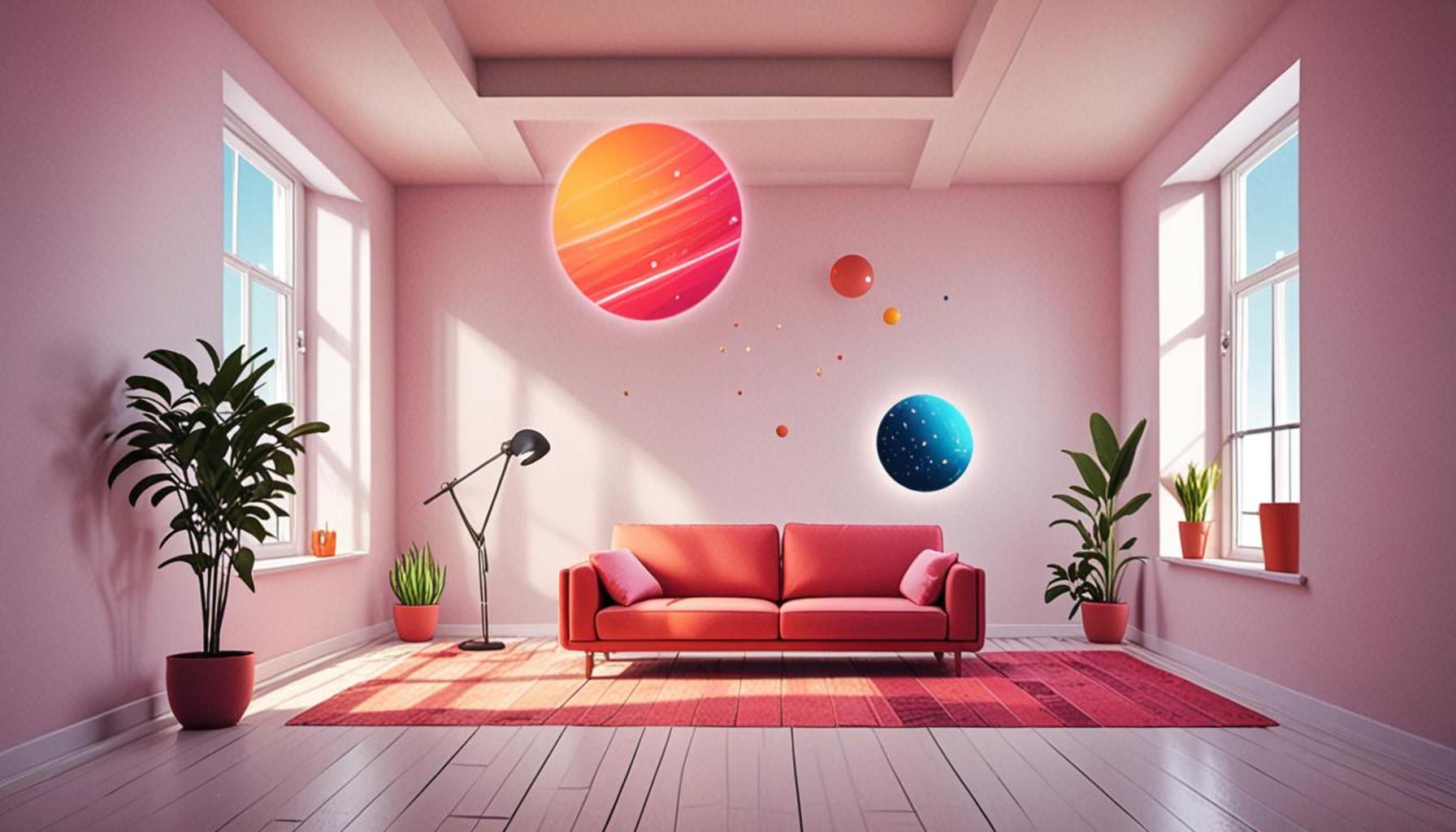
This philosophy promotes space functionality, which means that every aspect of our environment is intentionally curated. A minimalist living room, for instance, might feature only a few key pieces—an elegant sofa, a simple coffee table, and perhaps a striking piece of art. Such arrangements not only enhance visual appeal but also allow the space to breathe, making it more inviting and functional.
Benefits of Embracing Minimalist Spaces
Several key advantages arise from adopting a minimalist approach:
- Optimal Use of Space: By eliminating unnecessary items, you can optimize your living and working spaces. For example, a well-organized kitchen with only essential cookware not only looks clean but enhances functionality, making meal preparation a breeze.
- Reduced Distractions: A clutter-free environment has been shown to increase focus and productivity. Many professionals have found that working in minimalist offices or study areas allows them to concentrate better, ultimately leading to improved performance.
- Time Efficiency: When you can easily locate your essentials without sifting through clutter, you save precious time on daily tasks. This becomes particularly valuable in our busy lives, where every moment counts.
In addition, embracing minimalism promotes:
- Enhanced Cleanliness: With fewer items in our spaces, maintaining cleanliness becomes more straightforward. A minimalist bedroom with only a bed and a nightstand can be tidied in moments, providing an immediate sense of order.
- Greater Intentionality: Minimalism encourages individuals to make deliberate choices about what they keep in their lives. Each item serves a specific purpose, creating a home that is both functional and meaningful.
- Increased Clarity: A simplified aesthetic contributes to clearer thinking by removing visual distractions. Many find that living in a minimalist space allows for more mental clarity and creativity.
Implementing Minimalism in Your Life
As we explore the principles of efficient organization, it becomes evident that minimalism can revolutionize space functionality, especially in urban settings where space is limited. For instance, New York City apartments benefit from minimalistic decor by utilizing multi-functional furniture—think sofa beds or foldable tables—that maximizes small spaces.
For those curious about adopting a minimalist lifestyle, practical tips abound. Begin with seasonal decluttering, focusing on one room at a time. Consider the “one in, one out” rule: when acquiring a new item, consciously let go of an old one. Finally, reflect on your purchases; aim for quality over quantity to create lasting value in your space.
Stay tuned as we further unravel the myriad benefits of minimalism and provide inspiring examples that showcase how embracing less truly leads to achieving more.
DISCOVER MORE: Click here to learn how to make sustainable choices
The Functional Philosophy of Minimalism
At its core, minimalism advocates for purposeful living, where the emphasis is placed on quality over quantity. This approach not only appeals aesthetically but also resonates strongly in terms of space functionality. In a world where homes and workspaces are often overwhelmed with possessions, minimalism serves as a refreshing antidote, highlighting the significance of each item in our environment. For the average American, this shift can transform a chaotic living area into a serene sanctuary that maximizes efficiency.
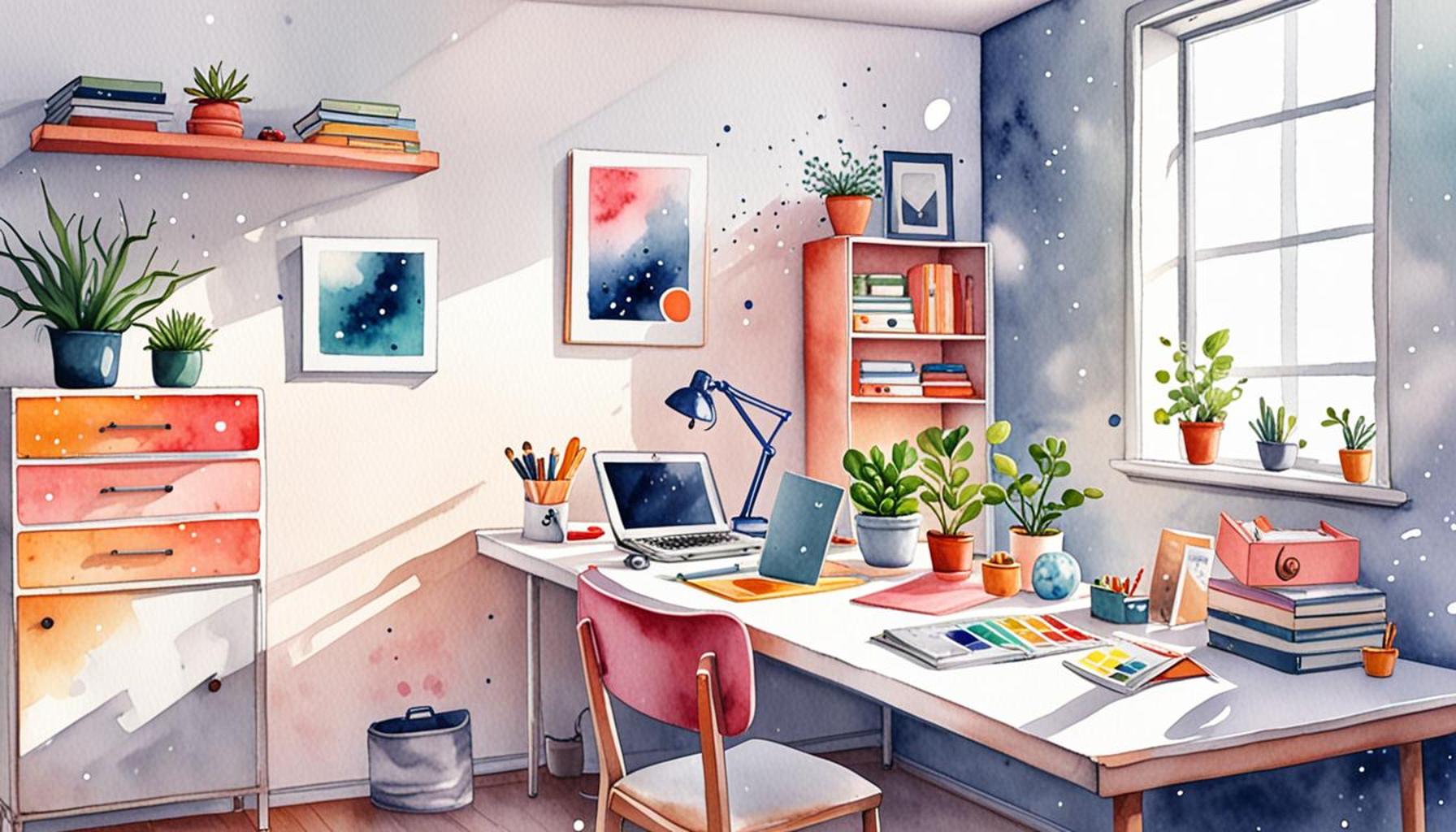
One of the principal tenets of minimalism is the concept of functionality, which means that every element within a space should contribute to its overall purpose. For example, in a minimalist home office, instead of a crowded desk covered in outdated technology and superfluous items, one might find a sleek workstation that incorporates only necessary tools—such as a laptop, a high-quality chair, and perhaps a few inspiring books. This not only promotes a clear mind but directly correlates to increased productivity.
Practical Steps to Enhance Space Functionality
To fully embrace the benefits of minimalism, consider the following practical steps that can significantly enhance the way we organize our spaces:
- Assess Your Needs: Determine what you truly need in each room. Focus on items that serve a purpose or bring joy to your daily life. In the bedroom, for instance, keeping only essential furniture, such as a bed and bedside tables, allows for a more streamlined environment.
- Choose Multi-Functional Furniture: In smaller living spaces, opt for furniture that serves dual purposes. A coffee table that doubles as storage or a murphy bed can free up much-needed space without sacrificing comfort or style.
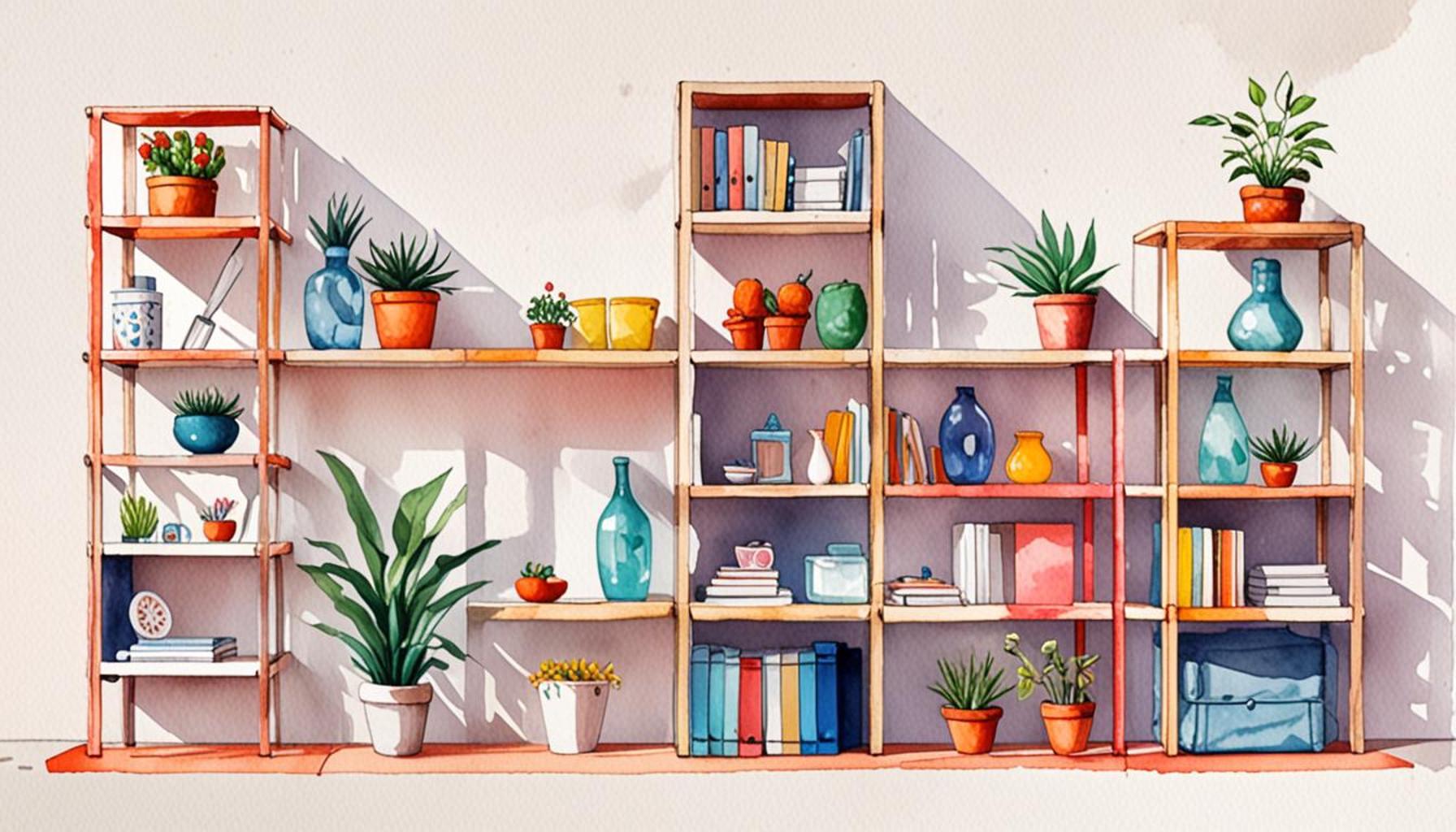
- Optimize Vertical Space: Use wall-mounted shelves or hooks to keep the floor clear. This not only saves space but also provides an opportunity to display personal items or plants, adding character while maintaining a minimalistic aesthetic.
Additionally, minimalism encourages a proactive approach to acquiring new items. Instead of impulsively purchasing decorative objects or gadgets, individuals are urged to pause and consider whether these items will genuinely serve a purpose in their lives. This shift in mindset can lead to a significant reduction in unnecessary purchases, thereby maintaining a cleaner and more functional space.
As we delve deeper into the principles of efficient organization, we uncover how less truly is more when it comes to functionality. By embodying minimalism, individuals can create spaces that not only look appealing but also serve their intended purposes effectively, ultimately improving their quality of life.
| Advantages of Minimalism | Impact on Space Functionality |
|---|---|
| Enhanced Focus | Minimalism reduces visual clutter, allowing for improved concentration on tasks. |
| Increased Flexibility | Flexible arrangements can be easily created with multifunctional furniture, maximizing utility. |
| Reduced Stress | A streamlined environment promotes a calm atmosphere, which can decrease anxiety levels. |
| Time-Efficient Maintenance | Less clutter means quicker cleaning processes, providing more time for productivity. |
In exploring the theme of minimalism and its undeniable advantage in space functionality, it becomes clear that adopting a minimalist approach can lead to multiple beneficial outcomes. For example, enhanced focus is a common benefit; when unnecessary items are removed, individuals can concentrate better on their tasks without distractions. Additionally, increased flexibility in space usage occurs due to the integration of multifunctional furniture, which maximizes the utility of every area. Moreover, creating a minimalist environment can also lead to a reduction in stress. A more organized space fosters a calm atmosphere that alleviates feelings of anxiety. Lastly, one of the key advantages is time-efficient maintenance, as a decluttered environment requires less time for upkeep, allowing individuals to prioritize more important tasks. This interconnectedness reveals that minimalism does not merely pertain to aesthetics but serves a profound purpose in enhancing functionality and overall wellbeing.
DISCOVER MORE: Click here for mindful organization tips
Transformative Impact of Minimalism on Everyday Spaces
The reach of minimalism extends far beyond mere aesthetics; it has the power to transform everyday spaces into efficient sanctuaries that enhance both productivity and well-being. By simplifying our environments, we not only declutter physical spaces but also alleviate mental clutter, allowing for a clearer focus on what truly matters. This is particularly relevant in urban settings, where many Americans face the challenge of limited square footage filled with excess belongings.
Another critical aspect of minimalism is mindful consumption. By adopting a minimalist mindset, individuals become more intentional about their purchases, leading to fewer items that do not serve a clear purpose. Research indicates that a cluttered environment can lead to increased stress and distraction. A study from the Psychology of Addictive Behaviors found that individuals living in cluttered homes experienced higher levels of cortisol, a stress hormone. This realization underscores how minimalism can directly impact one’s mental health and overall quality of life.
The Power of Decluttering
The practice of decluttering is essential in the minimalist journey and plays a vital role in enhancing space functionality. When embarking on this process, consider these actionable strategies:
- Follow the “One In, One Out” Rule: For every new item brought into the home, aim to remove an existing item. This keeps the total number of possessions manageable and encourages thoughtful consideration before acquisitions.
- Utilize the Four-Box Method: As you declutter, prepare four boxes labeled: Keep, Donate, Sell, and Trash. This method provides clarity on what to retain while facilitating the removal of unnecessary items.
- Commit to Regular Check-Ins: Set aside time every few months to reassess your space and adjust your belongings as necessary. This helps maintain a minimalist lifestyle and prevents the accumulation of excess.
In addition to the personal benefits of decluttering, minimalism can also transform shared communal spaces. In collaborative work environments, such as open offices and co-working spaces, applying minimalist principles can lead to enhanced creativity and teamwork. For instance, removing distracting decorations and optimizing layouts can help employees focus better and collaborate more effectively. This approach is supported by a study from the Journal of Environmental Psychology, which found that simplified office designs improved employee satisfaction and productivity.
Moreover, minimalism fosters a culture of sustainability. By encouraging less consumption, individuals inadvertently support eco-friendly practices. In the United States, where excessive waste is a significant concern, the minimalist philosophy promotes conscious choices that benefit both individual lifestyles and the planet. By purchasing only what is necessary and prioritizing quality over quantity, consumers can reduce their carbon footprints and contribute to a more sustainable future.
As minimalism continues to gain traction, its principles serve as a guide for not just organizing physical spaces but creating a lifestyle more aligned with one’s values. The shift towards efficient organization through minimalism inspires individuals to redefine their environments, prioritize functionality, and cultivate peace of mind amidst the chaos of modern living.
DISCOVER MORE: Click here to learn about mental and spatial organization</a
Conclusion: Embracing Minimalism for Enhanced Space Efficiency
In a world increasingly dominated by distractions and excess, minimalism emerges as a refreshing antidote, offering individuals the tools needed to reclaim not just their physical space, but also their mental clarity and emotional well-being. The principles of minimalism—streamlining possessions, embracing mindful consumption, and committing to regular decluttering—are essential in reshaping how we view and utilize our surroundings. As highlighted throughout this article, the rewards extend beyond individual lifestyles and resonate within shared environments, fostering creativity and collaboration in workplaces.
As the population in urban areas continues to grow, the importance of efficient organization becomes even more pronounced. By simplifying our environments, we can navigate the complexities of modern living with greater ease and peace of mind. The proactive steps individuals can take, from applying the “One In, One Out” rule to implementing the Four-Box Method, serve as practical strategies for maintaining a mindful lifestyle that prioritizes quality over quantity.
Ultimately, embracing minimalism is not merely about reducing clutter, but about cultivating a more intentional relationship with our space and the world around us. By advocating for sustainable choices and reducing consumption, minimalism empowers individuals to contribute positively to both personal circumstances and larger ecological concerns. As more Americans begin to explore the transformative impact of minimalism, the journey towards enhanced space functionality can indeed lead to a more fulfilling life, marked by intentionality, purpose, and a renewed sense of clarity.