Maximizing Small Spaces: Optimization Techniques for Minimalist Environments
Unlocking Potential in Limited Areas
Living in a small space doesn’t mean sacrificing comfort or style. In fact, by employing effective optimization techniques, you can transform even the tiniest nook into a highly functional and aesthetically pleasing environment. Embracing a minimalist philosophy often leads to numerous benefits that extend beyond simple aesthetics, including greater efficiency, reduced clutter, and enhanced mental clarity. Simplifying your surroundings can be key to creating a space that not only feels larger but also resonates with who you are.
Key Concepts to Consider
- Multi-functional Furniture: Investing in pieces that serve multiple purposes is essential in optimizing limited spaces. For example, a sofa bed can serve as both a comfortable place to sit during the day and a cozy spot for guests to sleep at night. Storage ottomans can double as seating while holding books or blankets inside. Additionally, consider wall desks that can fold away after use, freeing up precious floor space.
- Vertical Storage Solutions: Utilizing vertical space is critical in small homes. Wall-mounted shelves and cabinets can significantly increase storage capacity without encroaching on your living area. Think about tall bookshelves or pegboards in kitchens that allow you to store items without taking up valuable countertops. Even using hooks for utensils or bags can clear clutter and lend visual intrigue.
- Decluttering Regularly: Schedule regular assessments of your belongings and keep only what you truly need or cherish. The “one in, one out” rule can also aid in this process—every time you bring a new item into your home, consider removing another. This approach can prevent accumulation and ensure that your living space remains manageable and organized.
Understanding and implementing these elements is crucial for effective space utilization. Pay close attention to the layout and arrangement of furniture, as well as the flow of movement within the space. Using area rugs can help delineate different sections of a room, visually expanding it while providing functionality. When every inch counts, careful strategizing on how to maximize small spaces can dramatically enhance your overall living experience.
Inspiration Awaits
Dive into a world of innovative ideas designed to optimize your limited living environment. Consider making use of light colors and mirrors to create an illusion of depth, or using customizable shelving systems that adapt as your needs change. These transformative techniques not only promote sustainability but also allow for a more mindful approach to living. Your journey to a more spacious-feeling lifestyle begins with these insights and a willingness to explore what resonates with you. This process of discovery can lead to a more harmonious and personalized living space that reflects your unique taste, all while making the most out of what you have.
DISCOVER MORE: Click here to learn how to live more sustainably
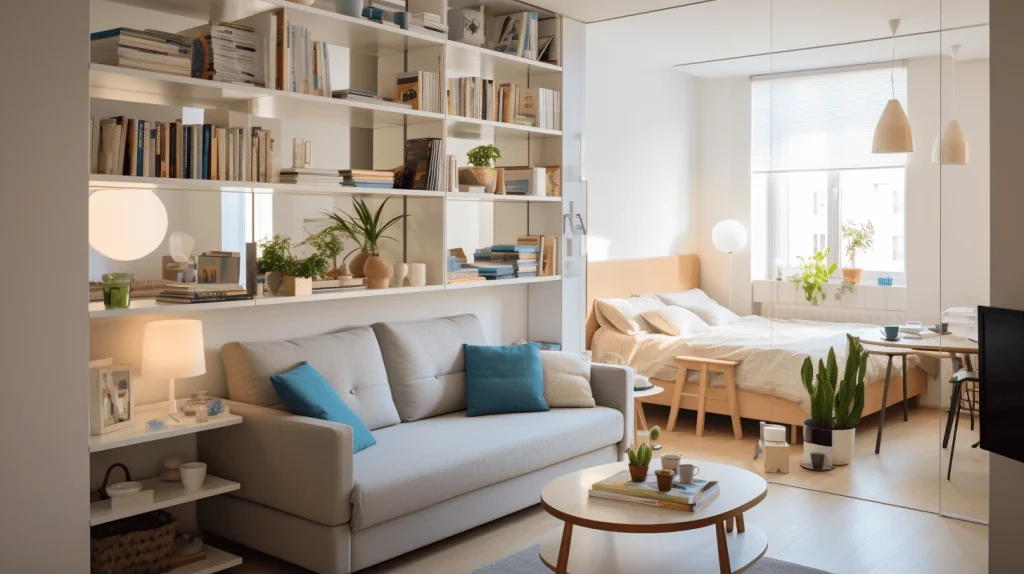
Transforming Your Space: Strategies to Maximize Functionality
When working with limited square footage, understanding how to creatively arrange and use your belongings can lead to remarkably efficient living environments. Maximizing small spaces requires a thoughtful approach, focused on both functionality and style. By harnessing elements such as color schemes, organization techniques, and the right furniture, you can cultivate a minimalist atmosphere that feels open and inviting.
Design Techniques You Can Implement Today
- Light and Bright Colors: Using a palette of light colors can significantly alter perceived space. Soft whites, light grays, and pastel shades reflect natural light and create an airy atmosphere. Avoiding dark colors helps prevent the space from feeling cramped. Additionally, mirrors can amplify this effect—strategically placing them across from windows can enhance brightness and depth, making rooms feel larger.
- Smart Zoning: Even in small areas, creating distinct zones helps establish function. This can be achieved through furniture arrangement, rugs, or even paint colors. Use area rugs to define living, working, and dining areas; this separation can provide a sense of order and maximize utility without overwhelming the space.
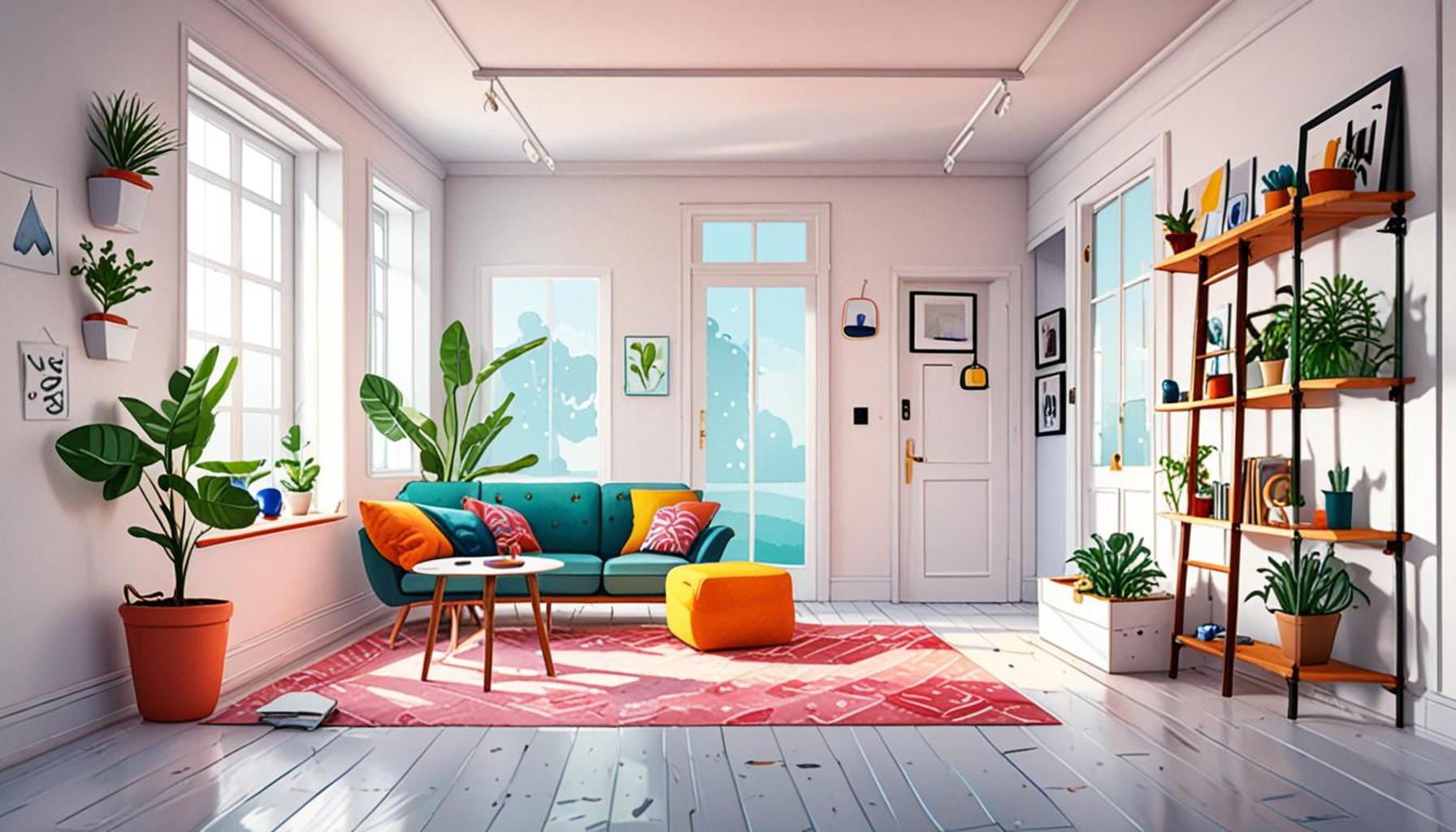
- Vertical Gardens: As eco-friendly living becomes increasingly significant, incorporating vertical gardens into your home can optimize space while adding visual interest. Hanging planters or wall-mounted gardening systems allow you to enjoy greenery without sacrificing precious floor space. Additionally, plants improve air quality, enhance well-being, and add vibrancy to your home.
Every piece of furniture and decor should serve a purpose. When you step into a small space, it is imperative that it does not just look good but also functions effectively. For instance, folding or extendable dining tables provide versatility for entertaining without permanently compromising living space. Similarly, modular furniture can adapt as your needs change, offering lasting value and attractiveness.
Embracing Minimalism
The minimalist lifestyle goes beyond reducing clutter; it’s about making thoughtful choices and adopting a mindset that prioritizes quality over quantity. Engage in mindful consumption by assessing your belongings regularly—ask yourself if an item truly adds value to your life. Techniques such as the KonMari Method encourage a deep dive into your possessions, helping you curate your collection based on joy and necessity.
By committing to simplicity and intentional design, you create an environment that celebrates both space and personal expression. When optimizing your living area, remember that every decision matters. A small footprint doesn’t have to limit your style or functionality. The journey starts here, leading you toward a refined, purposeful living experience.
| Category | Details |
|---|---|
| Multi-functional Furniture | Furniture that serves multiple purposes, such as sofa beds or ottomans with storage, maximizes utility and space. |
| Vertical Storage Solutions | Utilizing wall space with shelves or tall cabinets increases organization without sacrificing floor area. |
| Color and Lighting Techniques | Light colors and strategic lighting create an illusion of depth, making rooms feel more expansive and welcoming. |
| Decluttering Strategies | Regularly assessing possessions and maximizing storage creates a serene environment while retaining functionality. |
In the world of maximizing small spaces, employing optimization techniques is crucial. Embracing multi-functional furniture not only caters to the need for space but also enhances the aesthetic appeal of minimalist environments. For example, a sleek sofa bed can transform a living area into an inviting guest room without compromising style.Additionally, vertical storage solutions efficiently utilize every inch of available space. Creative shelving can display decor while decluttering surfaces. This not only keeps the environment organized but also promotes mental clarity in a minimalist setting.Implementing color and lighting techniques can dramatically alter perception. By opting for lighter shades and layered lighting, rooms feel airy and expansive. Moreover, regular decluttering helps maintain an open atmosphere, allowing the true beauty of a minimalist environment to shine. Adopting these strategies empowers individuals to create harmonious living spaces that embody both functionality and style.
DISCOVER MORE: Click here to enhance your productivity
Innovative Storage Solutions: Making the Most of Every Nook
One of the most critical aspects of maximizing small spaces is effective storage. When every inch counts, finding solutions that both maximize capacity and maintain a minimalist aesthetic is vital. Consider implementing some of these creative storage strategies to keep your space organized and functional without overwhelming your design.
Underutilized Areas: Tapping into Hidden Storage
- Under the Bed: One of the best-kept secrets in small space living is the area underneath the bed. Investing in under-bed storage bins or drawers can help you stow away everything from seasonal clothing to extra bedding. This area often goes unused, yet it can be a goldmine for maintaining a clutter-free environment.
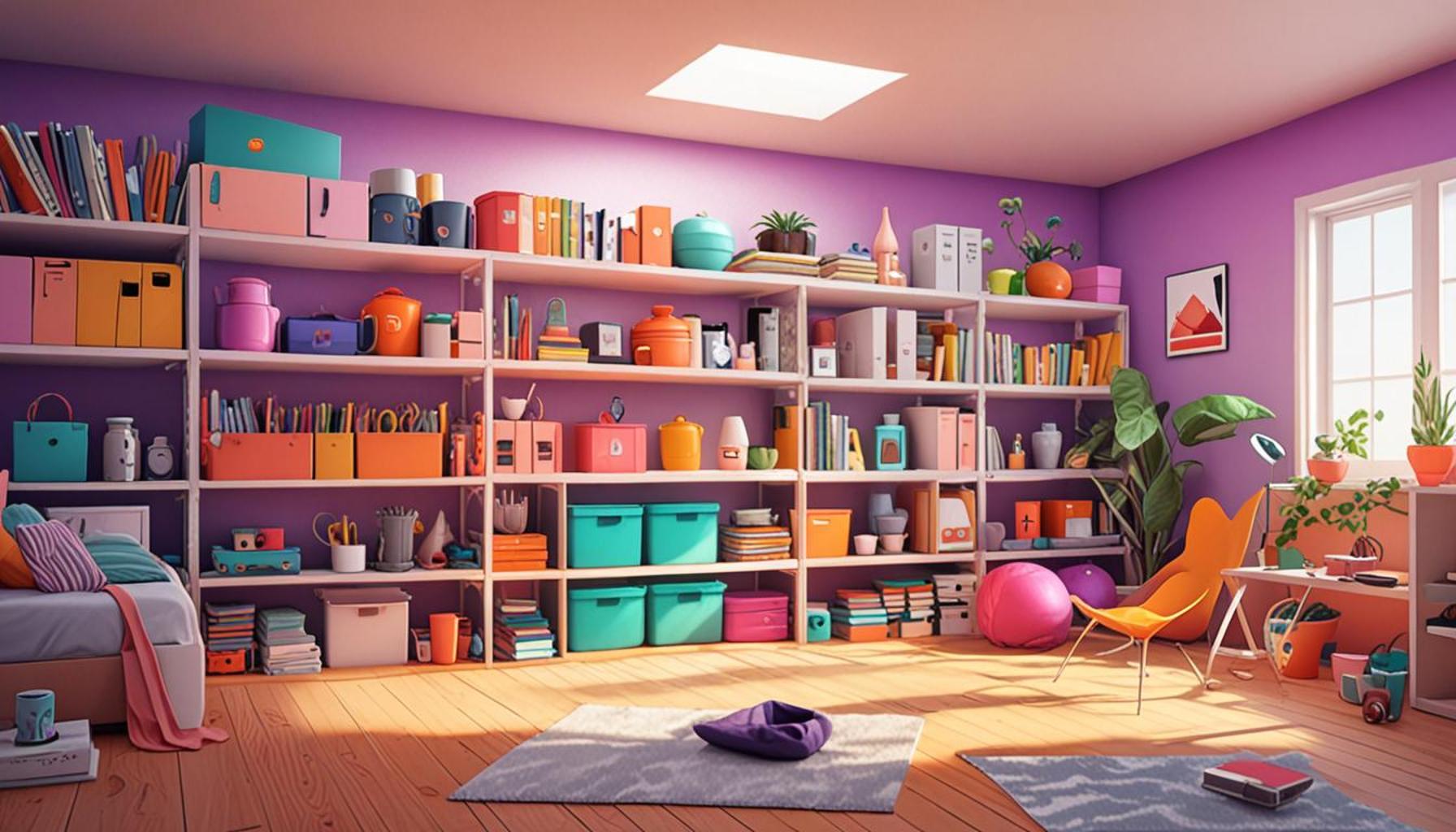
- Vertical Storage Solutions: Embrace the walls of your home by installing tall shelving units or wall-mounted cabinets. These vertical solutions draw the eye upward, giving the illusion of more space while providing ample room for books, decorative items, or essential everyday items. Consider open shelving for a light, airy feel that maintains visibility and encourages thoughtful display.
- Multi-functional Furniture: Furniture that serves dual purposes is a cornerstone of small space optimization. A storage ottoman can act as a footrest and a place to store various items. Sofa beds and futons lend support for guests while maximizing living space. Opt for coffee tables with drawers or shelves beneath them to enhance functionality in your seating area.
Moreover, furniture with hidden compartments can transform your living environment while eliminating the need for bulky cabinets or closets. An investment in a sleek dining bench with built-in storage can allow you to keep your dining area tidy and free of clutter.
Decluttering: The Heart of Minimalism
Prioritizing decluttering is crucial in a minimalist environment. A well-organized living space doesn’t just rely on furniture and design techniques; it begins with reducing excess belongings. Consider adopting a one-in-one-out rule, where for every new item you bring into your home, an existing item should be removed. This practice encourages thoughtful purchasing and keeps clutter at bay.
Utilizing clear storage bins can also increase visibility and ease in accessing your items, making it easier to locate what you need without the mess. Categorizing belongings and labeling boxes can streamline organization—group like items together, and ensure that everything has a designated place. This not only aids in maintaining order but promotes a serene atmosphere in your minimalist space.
Smart Technology: Enhancing Efficiency
In the era of smart homes, technology can play a pivotal role in maximizing small spaces. Smart home devices, such as automated lighting, thermostats, and even voice-controlled assistants, can significantly enhance functionality. For instance, utilizing smart lighting that can adjust to the time of day not only complements the vibe of your minimalism but also conserves energy.
Carrying the idea of smart design further, modular technology furniture—like desks that can transform into standing models or adjustable shelving units—facilitates adaptability. Integrating tech trends with practical design creates a future-forward, immersive minimalist environment that resonates with modern sensibilities.
Maximizing small spaces extends beyond aesthetics and requires an intricate balance between creativity and functionality. With the right strategies and innovations, even the coziest of environments can become havens of calm, purpose, and undisturbed beauty.
DISCOVER MORE: Click here to learn how minimalism can transform your life
Conclusion: Embracing Minimalism through Smart Design
In a world where urban living and smaller homes are becoming increasingly prevalent, mastering the art of maximizing small spaces is essential for creating functional and aesthetically pleasing environments. By incorporating innovative storage solutions, utilizing underutilized areas, and investing in multi-functional furniture, you can transform even the coziest of spaces into serene sanctuaries that reflect your style and functionality needs.
Moreover, the journey toward minimalism begins with the decluttering process, allowing you to curate an organized atmosphere that promotes freedom and ease. Implementing strategies such as the one-in-one-out rule not only keeps your belongings in check but also encourages mindful consumption, fostering a healthier relationship with material possessions.
As technology continues to evolve, integrating smart home solutions can enhance the efficiency of your living space, providing convenience while preserving the minimalist aesthetic. The rise of modular furniture and intuitive design makes it possible for your home to adapt to your changing needs without sacrificing style.
Ultimately, maximizing small spaces requires a thoughtful approach that emphasizes both creativity and practicality. By harnessing these optimization techniques, you can create environments that not only serve their purpose but also inspire tranquility and clarity in daily life. Embrace the minimalism movement and discover how it can transform your home into a haven that thrives on simplicity, balance, and elegance.