
Mindful Consumption: How to Make Sustainable Choices and Reduce Waste

The Importance of Mindful Consumption
In a society where convenience often trumps consideration, the idea of mindful consumption has gained momentum as a critical aspect of sustainable living. As we navigate through aisles filled with options, understanding the impact of our choices on the environment is vital. With the average American generating about 4.4 pounds of waste per day, the urgency for change is palpable, highlighting our role in fostering a more sustainable future.
Understanding Mindful Consumption
Mindful consumption is not just a trend; it represents a shift in how we think about our purchases and their ripple effects on the planet. It encourages reflection on various elements that contribute to environmental degradation, from the extraction of raw materials to the disposal of products. By committing to more intentional choices, consumers can champion significant changes in both their lives and the larger ecosystem.
Key Aspects of Mindful Consumption
- Product Lifespan: Investing in durable items is a cornerstone of sustainability. By selecting products that are well-made and long-lasting—such as quality garments or home goods—we reduce the frequency of repurchasing and, in turn, the accumulation of waste. For instance, opting for a sturdy cast iron skillet not only promotes healthier cooking but also ensures a longer lifespan than cheaper alternatives.
- Eco-friendly Materials: Choosing products made from sustainable resources can greatly diminish your environmental footprint. Items crafted from organic cotton or recycled plastics utilize fewer resources and often have a lower overall carbon impact. Brands that embrace sustainable practices often highlight certifications such as Fair Trade, USDA Organic, and others, making it easier for consumers to make informed choices.
- Local Shopping: Supporting local businesses is an impactful way to minimize carbon emissions associated with transportation. Purchasing fresh produce from local farmers’ markets not only boosts the local economy but also ensures fresher food while significantly reducing the carbon footprint related to food transport.
- Waste Reduction: Implementing practices such as recycling and composting can drastically cut down the amount of waste generated. In many communities, recycling programs are readily available, and several cities have introduced composting initiatives to help residents contribute to waste reduction efforts. Individuals can also reduce single-use plastics by investing in reusable bags, water bottles, and containers.
By embracing these sustainable choices in our everyday lives, we can collectively contribute to a healthier planet. Each small action, when multiplied across millions, can yield substantial environmental benefits. With the growing focus on climate change and sustainability, this is an opportune moment to educate ourselves further and become advocates for mindful consumption, paving the way for a greener future.
DIVE DEEPER: Click here for practical tips
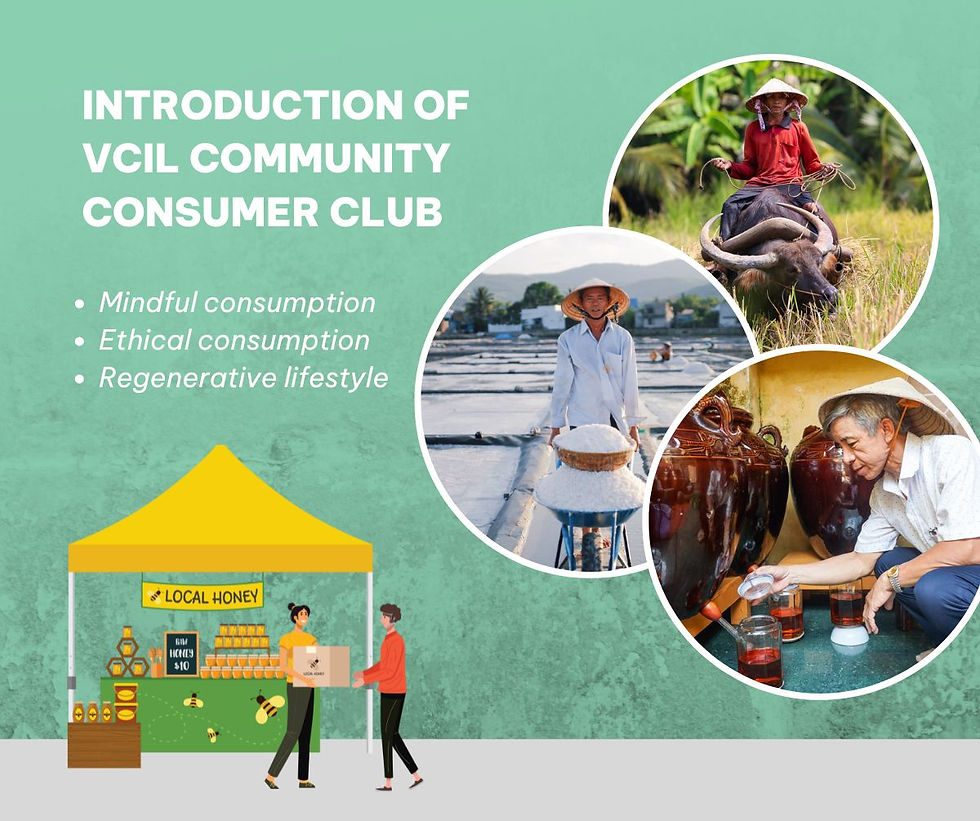
Strategies for Embracing Mindful Consumption
As climate change and resource depletion dominate headlines, the need for a fundamental shift in consumer behavior has never been more pressing. Mindful consumption empowers individuals to make conscious decisions that prioritize sustainability and minimize waste. By understanding the implications of our purchasing choices, we can adopt strategies that not only benefit our planet but also promote a healthier lifestyle.
Choosing Quality Over Quantity
One of the most effective strategies in mindful consumption is the practice of selecting quality over quantity. This approach encourages consumers to invest in fewer, high-quality items rather than multiple low-cost, disposable products. The trend toward fast fashion is a prime example, where inexpensive clothing items often end up in landfills after minimal wear. In fact, according to the Environmental Protection Agency (EPA), more than 17 million tons of textile waste were generated in the United States in 2018 alone. By consciously choosing to invest in well-made, timeless pieces, consumers can not only reduce waste but also cultivate a more thoughtful wardrobe.
Support Sustainable Brands
Another facet of mindful consumption involves supporting brands that align with sustainable practices. Consumers should seek out companies that prioritize environmental responsibility through eco-friendly materials, ethical labor practices, and transparent supply chains. Many brands now offer certifications, such as Global Organic Textile Standard (GOTS) or Certified B Corporation, which signify their commitment to sustainability. By integrating these values into purchasing habits, consumers not only uplift responsible brands but also drive demand for sustainable products in the marketplace.
Critical Consumer Mindset
Mindful consumption requires adopting a critical mindset towards advertisements and marketing practices. Consumers are bombarded with promotions promising the latest and greatest products, often creating a sense of urgency that encourages impulse buying. However, by pausing to assess needs versus wants, individuals can resist the temptation to purchase items that do not offer lasting value. Questions such as “Do I really need this?” or “How long will I use this item?” can serve as valuable checkpoints in the decision-making process.
The Power of Community Engagement
Engaging with local communities and fostering discussions about sustainability can further enhance mindful consumption. Participating in local initiatives, such as community gardens or repair workshops, not only reinforces sustainable practices but also strengthens social ties with like-minded individuals. Programs that encourage sharing, such as clothing swaps or tool libraries, offer an innovative way to fulfill needs without accumulating excess items. These community-driven approaches exemplify how mindful consumption can flourish beyond individual actions, creating a collective impact.
In conclusion, embracing mindful consumption is essential for reducing waste and fostering a more sustainable future. By prioritizing quality, supporting sustainable brands, cultivating a critical mindset, and engaging with the community, consumers can make a significant difference in their environmental footprint. Change starts with small, intentional choices, collectively leading toward a healthier planet.
| Advantage | Description |
|---|---|
| Reduced Waste | Practicing mindful consumption directly contributes to minimizing waste generated from products and packaging. |
| Eco-Friendly Choices | Opting for sustainable products often supports ethical brands that prioritize environmental preservation. |
By understanding the advantages of mindful consumption, individuals can make informed decisions that not only benefit their lives but also the planet. With every sustainable choice, whether it’s opting for reusable bags or selecting products with minimal packaging, consumers play a vital role in reducing waste and promoting a cleaner environment. Moreover, embracing eco-friendly choices contributes to a larger movement of conscious living, encouraging businesses to adopt greener practices. This shift is a crucial step towards fostering a culture that values sustainability over convenience. Curious about how these choices can transform your lifestyle and impact the world? Continue exploring strategies for mindful consumption to discover more about making sustainable choices and realizing the substantial benefits for yourself and the planet.
DIVE DEEPER: Click here to discover minimalist strategies for a more organized life
Shifting Habits for a Sustainable Future
While individual choices contribute significantly to mindful consumption, habits often require deeper changes in lifestyle and thinking. Making sustainable choices should extend beyond shopping and encourage a broader perspective on resource use. This shift can be achieved through the incorporation of practical tactics in daily living, ultimately promoting a culture of sustainability.
Reduce, Reuse, Recycle – The Triple R Approach
One fundamental principle of sustainability is the Triple R Approach: Reduce, Reuse, and Recycle. Surprisingly, the most powerful of these three concepts is reduction. By simply decreasing consumption of products and resources, individuals can significantly minimize their environmental impact. For instance, Americans generate approximately 292.4 million tons of trash annually, equating to about 4.9 pounds per person per day. By opting for fewer, high-quality items and being mindful of product usage, consumers can contribute to a decrease in waste.
Following reduction, the reuse aspect emphasizes repurposing items rather than discarding them. From using glass jars for storage to reimagining old clothes into new fashion, reuse encourages creativity and resourcefulness. Local resources, such as thrift stores, can also facilitate the donation and acquisition of items, fostering a circular economy.
Finally, recycling should be seen as a last resort when reduction and reuse options are exhausted. Understanding local recycling guidelines is crucial; the National Recycling Coalition states that approximately 35% of recyclable materials end up in landfills due to improper disposal. Engaging in educational programs can enlighten consumers on the proper ways to recycle, ensuring that valuable materials are recovered for future production.
Mindful Meal Planning
Food consumption is another area where mindful practices can yield significant benefits. The United States alone wastes about 40% of its food supply, equating to approximately 219 billion pounds of food wasted annually. This not only affects our economy, costing about $408 billion, but also contributes to greenhouse gas emissions, as decomposing food produces methane, a potent greenhouse gas.
Mindful meal planning can drastically reduce food waste. By strategizing grocery shopping, consumers can prioritize buying only essentials and plan meals around ingredients to minimize spoilage. Creating a shopping list based on meal prep and utilizing leftovers creatively can transform how we interact with food. For example, the concept of “zero-waste cooking,” which involves using every part of the ingredient, from broccoli stems to egg shells, can further encourage sustainability in the kitchen.
The Role of Technology in Mindful Consumption
The advancements of technology have reshaped how consumers approach sustainability. Various mobile applications are now available, helping individuals track their habits, meal plans, and even carbon footprints. Apps like Olio promote food sharing among neighbors while platforms such as Buy Nothing Project encourage local gifting to reduce waste. By leveraging these technologies, consumers can enhance their mindful consumption journey while engaging with their communities.
The digital realm also fosters greater transparency in supply chains, enabling consumers to hold companies accountable for their sustainability practices. Blockchain technology is increasingly being adopted by ethical brands to provide consumers with verified information on product origins and production processes. This knowledge empowers consumers to make informed choices aligned with their values.
By implementing these actionable strategies—including the Triple R Approach, mindful meal planning, and embracing technology—individuals can further solidify their commitment to mindful consumption. Each step taken contributes to a more sustainable future, highlighting how even small changes can lead to meaningful impact.
DISCOVER MORE: Click here to delve deeper
Conclusion: Embracing Mindful Consumption for a Sustainable Tomorrow
In conclusion, adopting a mindset of mindful consumption is crucial in our collective journey towards a more sustainable future. As we have explored, the effects of our consumption patterns ripple far beyond individual choices. By embracing the Triple R Approach of reducing, reusing, and recycling, we not only lessen our environmental footprint but also foster a culture that values sustainability and resourcefulness.
Additionally, mindful meal planning plays a pivotal role in addressing food waste, which remains a critical issue in the United States. By planning our grocery lists and cooking creatively with leftovers, we can not only save money but also combat the staggering 40% of food that is wasted annually. This practice leads to more thoughtful interactions with our food and promotes a zero-waste lifestyle.
Furthermore, technology serves as a powerful ally in this endeavor. As consumers, we have unprecedented access to tools and platforms that foster community engagement and transparency in supply chains. This not only educates but empowers us to make choices that align with our values, ensuring that we hold companies accountable for their environmental impact.
While the journey towards mindful consumption may seem daunting, it is essential to remember that every small action counts. By committing to these sustainable practices, we can collectively pave the way for a healthier planet. The choices we make today will shape the world we leave for future generations. Let us embrace this opportunity, inspire others, and take thoughtful steps toward a sustainable tomorrow.